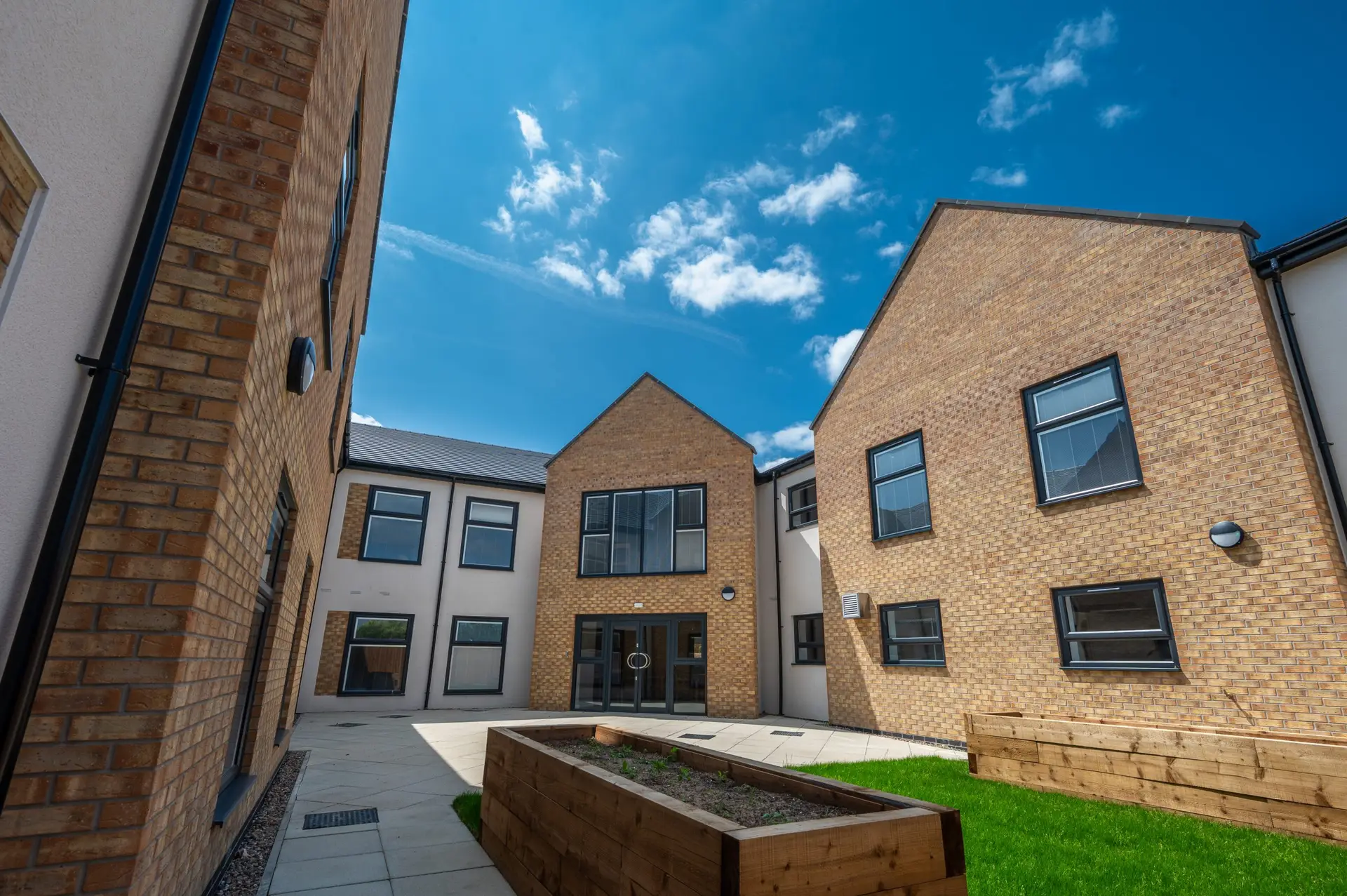
What it takes to withstand a difficult day, and how it is built deliberately
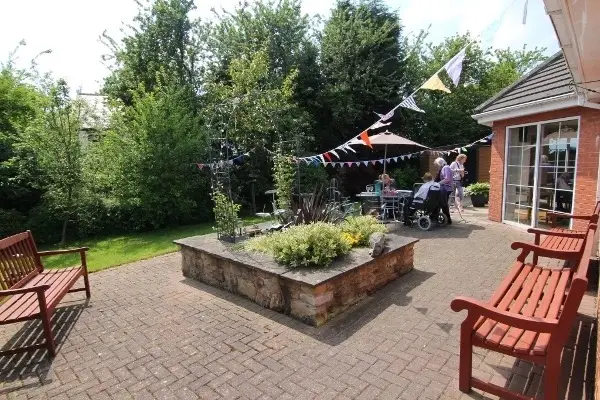
A settled placement can look like success and still be fragile. Resilience is the difference between someone who is calm because nothing is being asked of them, and someone who can meet difficulty and come back from it. The second has to be built on purpose.
Resilience is one of the most used and least examined words in mental health care. It is often taken to mean toughness, or the ability to carry on regardless. In practice it is closer to the opposite: resilience is what allows someone to be affected by something difficult, to show it, and to recover from it without the whole structure of their life coming apart.
For adults with complex mental health needs, that capacity is frequently the thing that has been most eroded — by illness, by trauma, by repeated placement breakdown, and sometimes by care itself.
There is a version of good care that removes every source of difficulty. Demands are lowered, choices are limited, conflict is avoided, and the person becomes settled. It looks like progress and, for a period after a crisis, it genuinely is.
The problem comes later. A person who has not encountered frustration for eighteen months has had no opportunity to practise tolerating it. The first significant demand — a move, a staff change, a bereavement — arrives without any recent experience of surviving one. The placement that looked stable turns out to have been sheltered, and the breakdown that follows is often read as deterioration rather than as the predictable result of never having been tested.
Stability is the floor. Resilience is what you build on it — and building it means deliberately reintroducing manageable difficulty.
Resilience is not a personality trait that some people have. It is an outcome of several tangible elements that a care service can directly influence:
How a service responds to a bad week determines whether resilience grows or contracts. If a setback triggers immediate restriction — leave withdrawn, activities suspended, and observation increased indefinitely — the person learns that difficulty is punished, encouraging concealment.
The alternative is to treat the episode as data. What preceded it? What was different about that day? What worked, even partially? What would we do differently next time? This requires clinical discipline and a team confident enough to hold risk thoughtfully.
Resilience-building happens in the ordinary texture of the day: the support worker who waits an extra two minutes rather than completing a task themselves, the plan that is renegotiated rather than abandoned when someone says no, the return to an activity that went badly last week, and the review that asks what someone managed rather than only what went wrong.
Over time, these accumulate into measurable progress — shorter recovery times after incidents, fewer escalations, and more situations handled independently before staff intervention.
Resilience is what makes moving on possible. A person who can only cope in one setting, with one team, under one set of conditions, is not ready to leave. Building the capacity to withstand difficulty is the work that turns a placement into a stage in someone’s life rather than the end of the road.
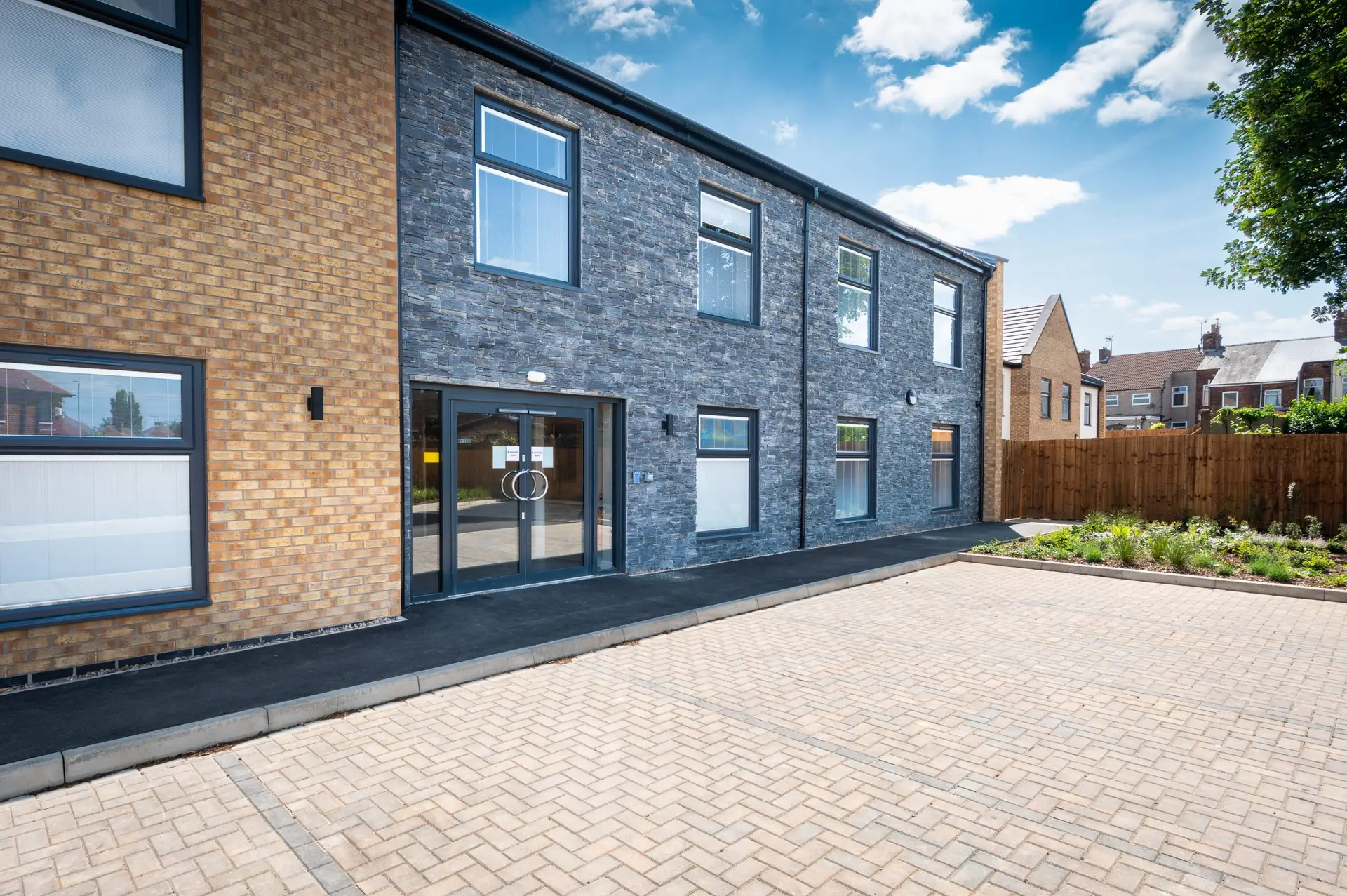
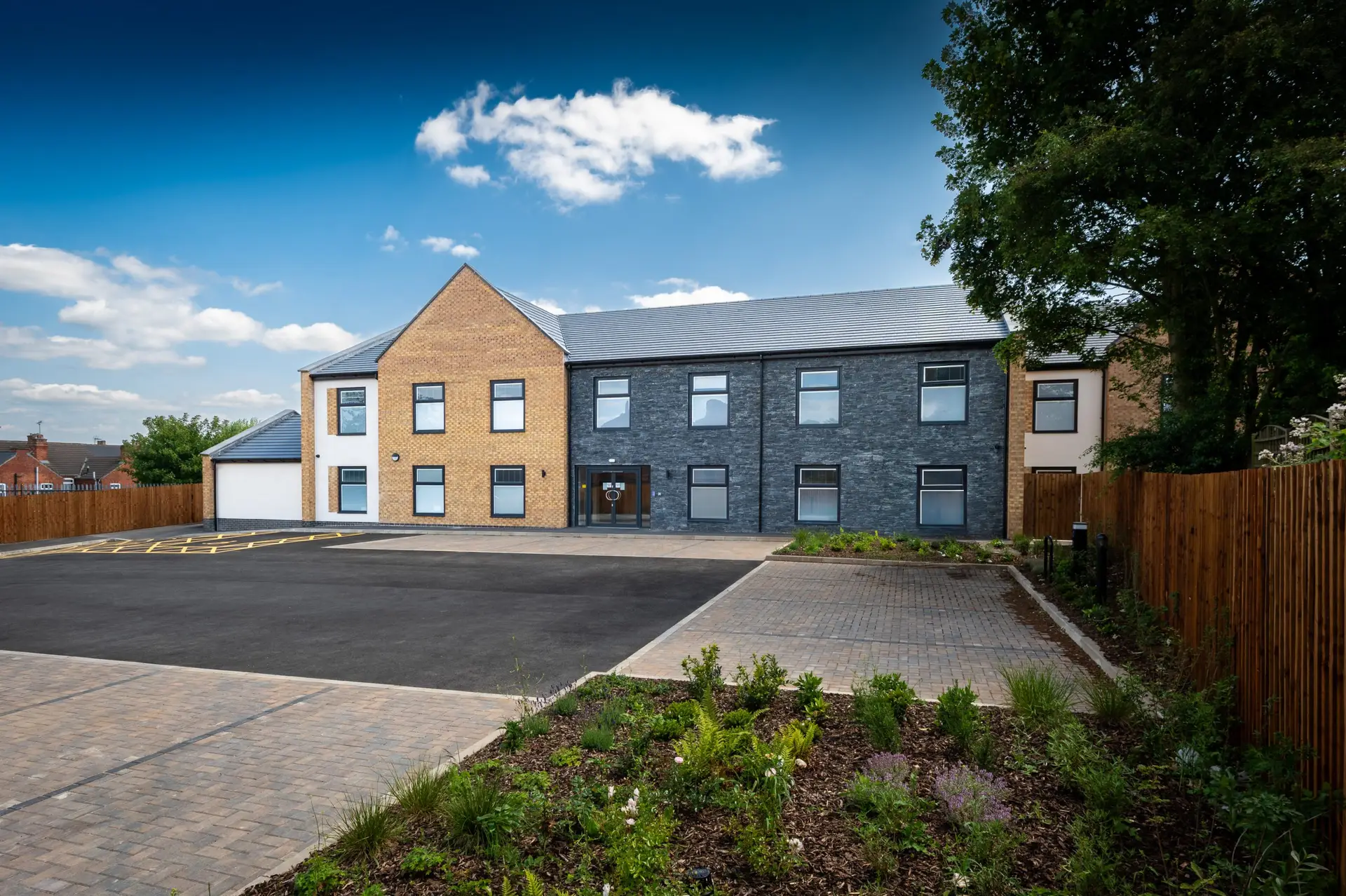
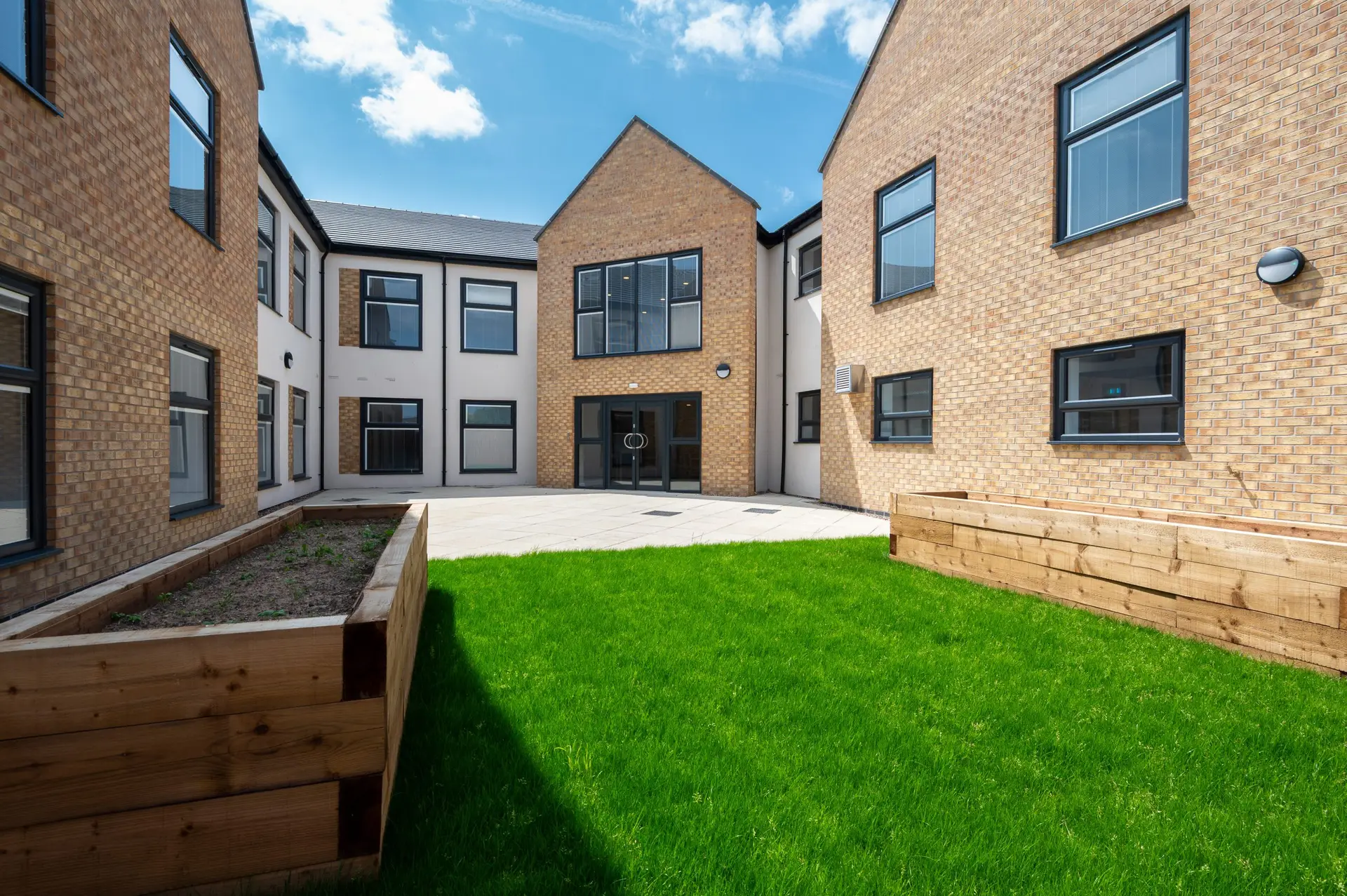
Bancroft Care Centre is ASHA Healthcare’s specialist service in Mansfield, Nottinghamshire, providing residential, nurse-led and occupational health-led care for adults with complex mental health needs. The service supports people under Section 117 aftercare and works with psychosis, schizophrenia, bipolar affective disorder, eating disorders, personality disorder presentations, dual diagnosis, forensic histories, behaviours that challenge, suicidal ideation, and placements that have broken down elsewhere.
To talk through how we work with someone whose placements have not held, contact the Bancroft Care Centre team: