
ASHA Healthcare provides residential, nursing and specialist mental health care across three services in #LocalArea. We are an independent provider, which means decisions about our homes are made by people who know them rather than by a distant head office.
We run three services, each with a different focus:
• Ashfield and Forest Manor provide care for older adults, including specialist nursing care for people with more complex health needs.
• Bancroft Care Centre is a specialist service for adults living with complex mental health conditions.
The simplest thing is to call us and describe the situation. We will tell you honestly whether one of our services is a good match, and if it is not, we will try to point you somewhere that is. Nobody benefits from a placement that was never going to work.
Yes. All three services are registered with and inspected by the Care Quality Commission. Our inspection reports are published on the CQC website and we are happy to discuss any of them with you, including anything they identify that we are working to improve.
Yes. They are publicly available on the CQC website, and we can send you a copy or talk you through the findings. If a report is not as recent as you would like, ask us what has changed since — we would rather have that conversation than have you rely on an out-of-date document.
Please do, and more than once if it helps. We would encourage you to visit at different times of day, including at a mealtime. Come without an appointment if you would prefer to see us as we normally are.
Both homes provide residential and nursing care for older adults. That includes support with everyday living, personal care, and nursing care delivered by registered nurses for people with health conditions that need clinical oversight.
Residential care provides support with day-to-day living: personal care, meals, medication support, activities and companionship.
Nursing care includes all of that, with registered nurses on duty to manage health conditions, wounds, complex medication regimes and clinical needs that require professional nursing input.
Yes — describe here which of the two homes provides dementia care, whether it is in a dedicated area or throughout the home, and what makes the environment dementia-enabling. Include staff training, for example the Promoting Excellence framework or equivalent.
In most cases, yes. One of the reasons families choose a home offering both residential and nursing care is that a person may not have to move again as their needs change. We will always be honest with you if we reach a point where we can no longer meet somebody's needs safely.
Yes. We work with Local GP Practices, district nursing and local palliative care teams so that people can stay with us at the end of their lives if that is their wish. We will talk with the person and their family about what matters to them, and we will support families to be present as much as they want to be.
Yes, just get in touch.
Yes, and we would encourage it. A familiar chair, photographs, pictures and personal things make a room feel like somebody's own. We will talk with you about what will fit and about any items that need a safety check first.
This is risk assessed, pets can visit and small pets can live with a resident providing it is appropriate for the room type and is safe for our other residents. We welcome a chat on this.
Bancroft is a specialist service for adults living with complex mental health conditions who need more support than can be provided at home or in a general care setting. #Add the specific conditions and presentations the service is registered and equipped to support.
The whole service is built around mental health rather than adding it on. That means a staff team trained and experienced in mental health, an environment designed with recovery and safety in mind, individual care planning that addresses mental as well as physical health, and close working with community mental health teams.
Therapeutic activities, community access, group and one-to-one work, skills for daily living, and how much of it is individually chosen. Families and referrers find this section genuinely useful, so it is worth being specific.
Yes we do. Bancroft accepts detained patients, people on community treatment orders, people subject to conditional discharge, or informal admissions.
#Answer clearly. Describe the actual arrangements for the doors and for people leaving the building, and explain any restrictions in terms of individual assessment rather than blanket rules.
Everybody at Bancroft has a care plan that they are involved in creating and reviewing. We ask what a good life looks like for that person and build the plan around it. Where somebody wants an advocate involved, we will arrange that.
We follow the Mental Capacity Act. Capacity is assessed for the specific decision at the time it needs to be made, and where somebody lacks capacity, any decision made on their behalf must be in their best interests and as close as possible to what they would have chosen. Families and advocates are involved in that process.
Yes. For many people Bancroft is a step on a longer path rather than a permanent home. We work with community teams, commissioners and the person themselves towards greater independence, and we will be realistic with you about what that looks like and how long it may take.
Every person has an individual risk assessment that is reviewed regularly and after any significant event. The aim is not to remove all risk, which would remove someone's life along with it, but to understand risk properly and manage it in the least restrictive way that keeps people safe.
We have arrangements in place with local mental health services and with #LocalGPPractice for physical health. Our staff are trained to recognise early signs of deterioration and to act on them. Where somebody needs a different level of care, we will say so and work with the relevant teams to arrange it.
Yes, and we would want them to be, with the person's consent. Mental health services have not always been good at involving families, and we try to do better. Where a person does not want family involved, we will respect that and explain the position to you as far as we are able to.
We accept placements funded in three ways:
• Local authority funded, where the council has assessed a person as eligible for social care support and is contributing to the cost.
• Privately funded, where the person or their family pays the fees directly.
• Insurance and private healthcare funded, where a private medical insurer or healthcare provider is meeting the cost of a placement.
We also work with NHS funding arrangements, including NHS Continuing Healthcare and NHS-funded Nursing Care where a person is eligible.
Fees depend on the service, the type of room and the level of care a person needs, so we do not quote a single figure. We will give you a clear written fee for the individual after an assessment, setting out exactly what it includes. #Consider stating an indicative weekly range here — families overwhelmingly prefer providers who do.
Accommodation, all meals and refreshments, personal care or nursing care, laundry, activities and utilities.
Hairdressing, chiropody, newspapers, personal toiletries, private transport, escorted appointments (although we try our best to accommodate), and anything else charged separately.
Annual review cycle, we always give notice before any change, and inform of what factors influence it.
If a person's savings fall towards the local authority threshold, they may become eligible for council funding. We would encourage you to speak to the local authority well before that point, and we will help you with the process. #Add the home's own position on what happens next.
Yes. We work with private medical insurers and private healthcare providers, and we can liaise with them directly about authorisation, reporting and reviews. If you tell us who the insurer is, we will tell you what is likely to be needed.
The local authority's adult social care team can carry out a financial assessment. Age UK, Citizens Advice and the Money Helper service all publish free, independent guidance on paying for care. We are happy to talk you through the options, but we would always encourage you to take independent advice as well.
Call us on 0115 972 9465 or email megan.tranter@ashahealthcare.co.uk. You can also use the enquiry form on this website. You do not need a referral to talk to us and there is no obligation.
Yes. We accept referrals from social workers, care managers, community mental health teams, hospital discharge teams, GPs, case managers and insurers. Just email megan.tranter@ashahealthcare.co.uk.
We will talk with you about the person's needs and answer your questions. If it looks like we may be able to help, we will arrange a pre-admission assessment.
That assessment is carried out by an experienced member of our team, usually in person, wherever the person currently is — at home, in hospital or in another service. It is how we make sure we can genuinely meet their needs, and it is also an opportunity for the person and their family to ask us anything.
It depends on availability and on how quickly the assessment and any funding arrangements can be completed. In straightforward cases this can be a matter of days. We will always be honest with you about the timescale rather than giving you an answer you would like to hear.
We will tell you, and we will explain why. Saying yes to a placement we cannot safely support is not kindness, and it usually ends badly for the person concerned. Where we can, we will suggest other options worth exploring.
As much as you like – things like clothing, toiletries, medication and prescriptions, glasses, hearing aids, dentures, mobility aids, and personal items.
The first few weeks matter enormously. A named member of staff will take particular responsibility for helping the person settle, and we will spend time learning their routines, preferences and history. We will keep in touch with families during that period, and we would rather hear from you too often than not enough.
Freshly cooked food on site, choices at each meal, snacks and drinks between meals, and we cater for particular diets. We invite people to come and try our food!
Yes. We cater for medical diets including diabetic, low-salt and modified-texture diets, and for cultural and religious requirements and personal preferences. Tell us what somebody needs and we will tell you honestly whether we can provide it.
There is a daily activity programme specific to the season, and the wants of our residents.
Yes. Where somebody can go out independently, they do. Where support is needed, we arrange it in line with their care plan.
We have an open door! As with many care services we prefer to protect mealtimes however you are welcome to join a loved one for a meal with us.
Yes, subject to their care plan and any clinical or legal considerations. Let the home know beforehand so that we can arrange medication and support for the trip.
You will have a named contact and review meetings. We communicate day to day as necessary or as much as wanted and always as quickly as possible where there has been an incident or a change.
Medication is managed by trained staff following clear procedures, with regular audit and oversight. In our nursing service and at Bancroft, registered nurses are involved in medication management. Where a person is able and wishes to manage their own medication, we will support that with a risk assessment.
All staff complete a structured induction and an ongoing training programme, with additional specialist training according to the service they work in. #Add the specifics: mental health training at Bancroft, dementia training where relevant, and any recognised qualifications your teams hold.
Yes. Everyone is recruited through a process that includes an enhanced Disclosure and Barring Service check, verification of identity and qualifications, references, and a full employment history. Registered nurses are checked against the Nursing and Midwifery Council register.
Staffing is set according to the assessed needs of the people living in each service rather than by a fixed ratio, and it is reviewed as needs change. We are happy to discuss the current staffing arrangements at any of our services with you.
Every provider uses agency staff sometimes, but we try to keep this to a minimum as possible for continuity of care.
We carry out regular internal audits across care, medication, infection prevention, health and safety and the environment, and we act on what they find. We also commission independent quality assurance reviews from an external consultancy, because an organisation is not well placed to be the only judge of its own performance.
We tell the people affected, we apologise, we investigate properly, and we change what needs changing. Where we are required to notify the CQC, the local authority or another body, we do so. Being open when something has gone wrong is a professional duty and we treat it as one.
Raise it as early as you can, with the manager of the service or any member of staff you feel comfortable talking to. Most concerns are resolved quickly and informally, and we would much rather hear about something small now than something larger later.
Write to the registered manager at the service, or contact us at support@ashaheathcare.co.uk . We will acknowledge your complaint, tell you who is looking into it and when you can expect a response, and set out what we have found and what we are doing about it.
You can ask for the matter to be reviewed by a senior manager. Beyond that, if your care is funded by a local authority you can raise the matter with them, and you can also contact the Local Government and Social Care Ombudsman, which considers complaints about adult social care. You can contact the Care Quality Commission at any time to share information about a service, though the CQC does not investigate individual complaints.
No. Raising a concern is not a difficult thing to do here and it will not change how anybody is treated. We record complaints, we look at them together as a management team, and we use them to improve. A service that receives no complaints at all is usually a service where people do not feel able to make them.
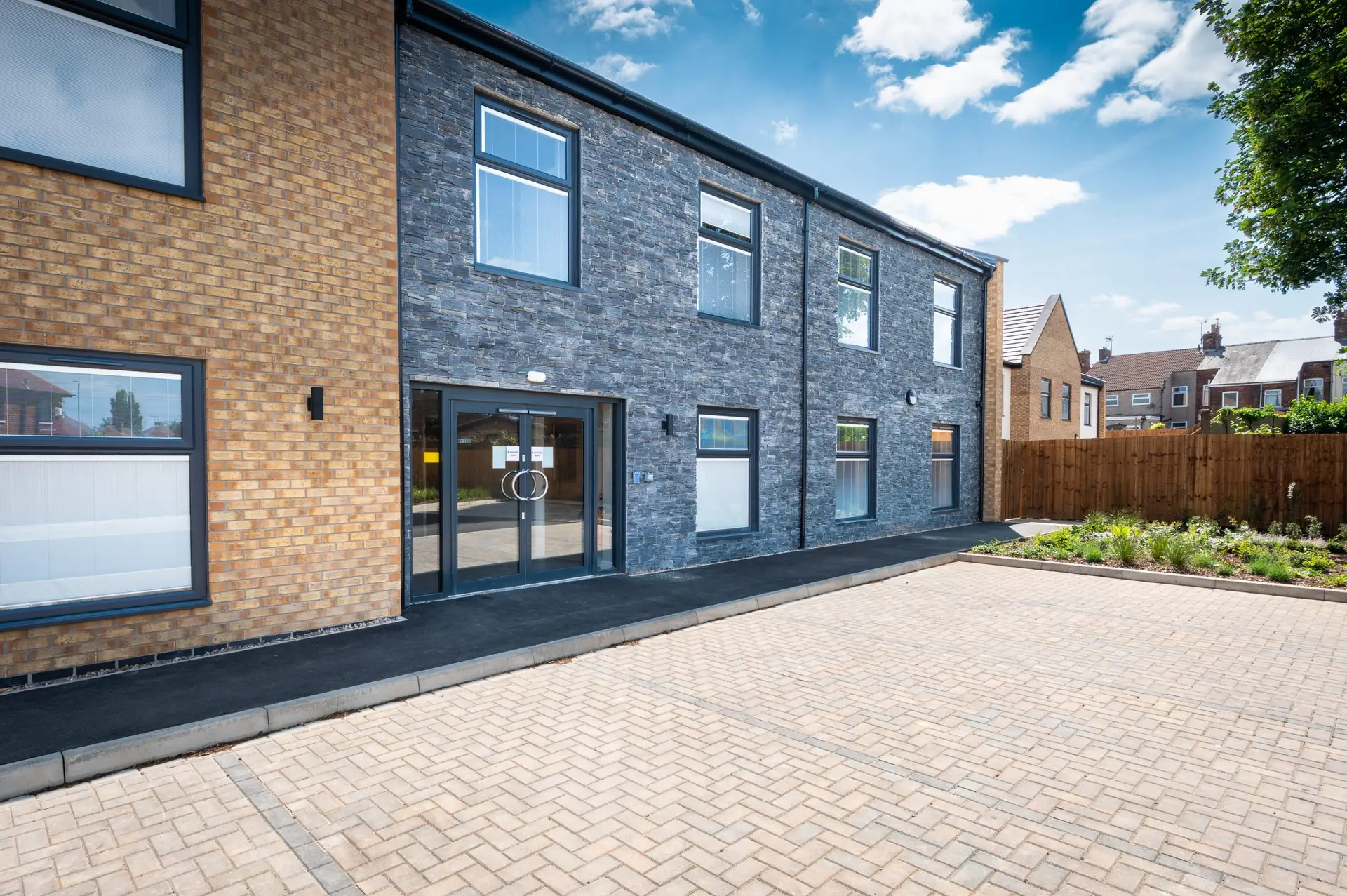
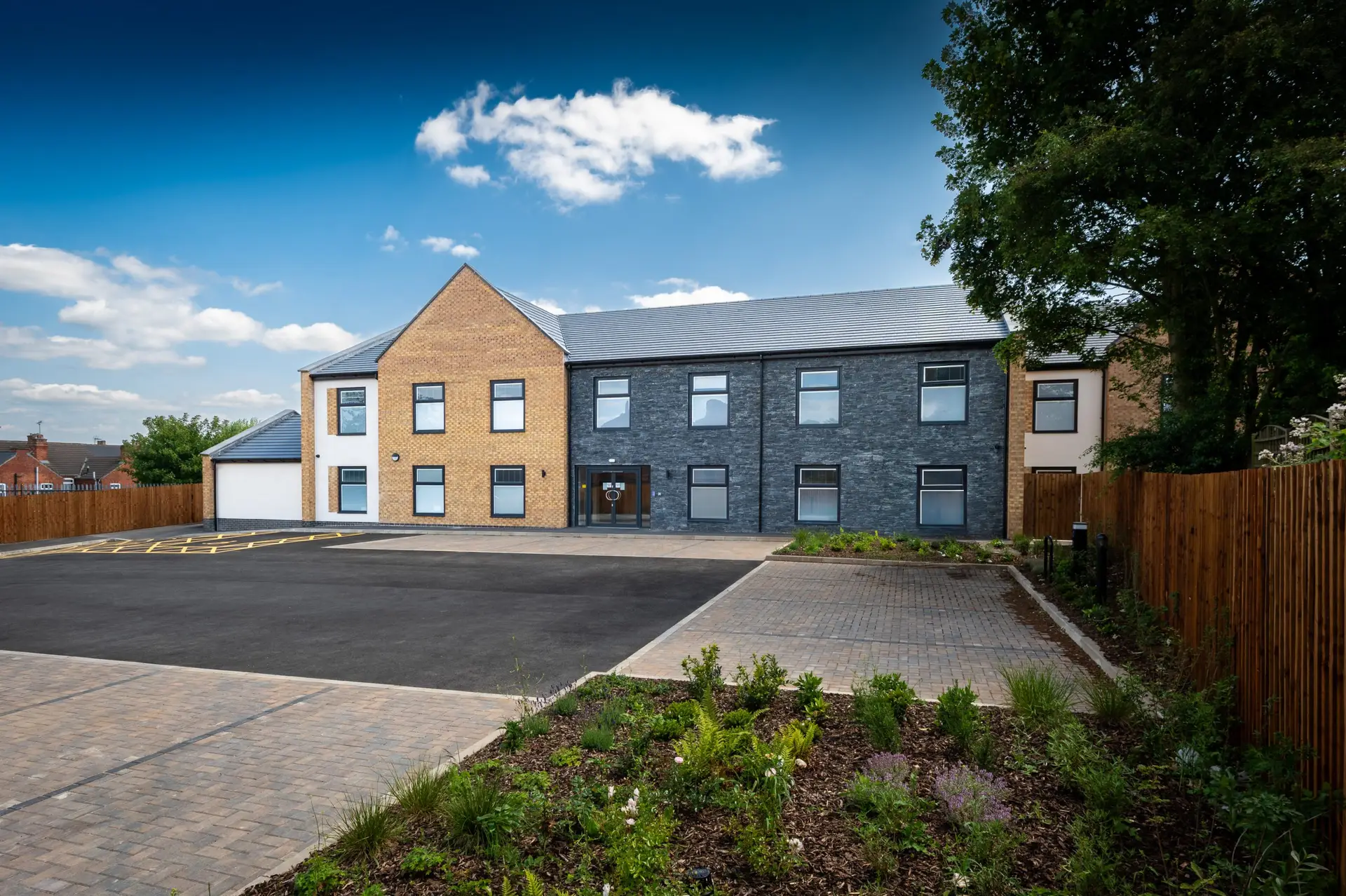
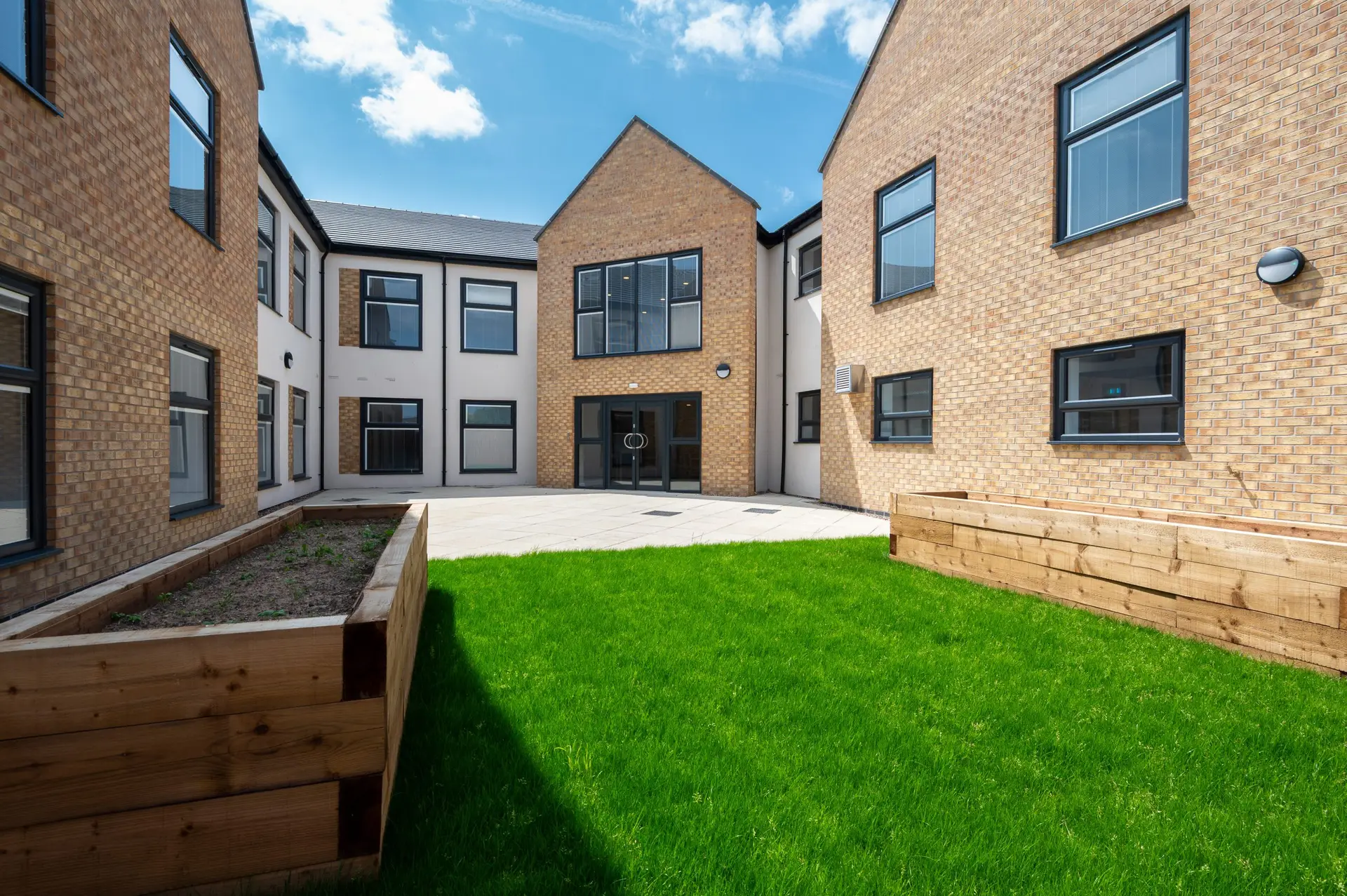
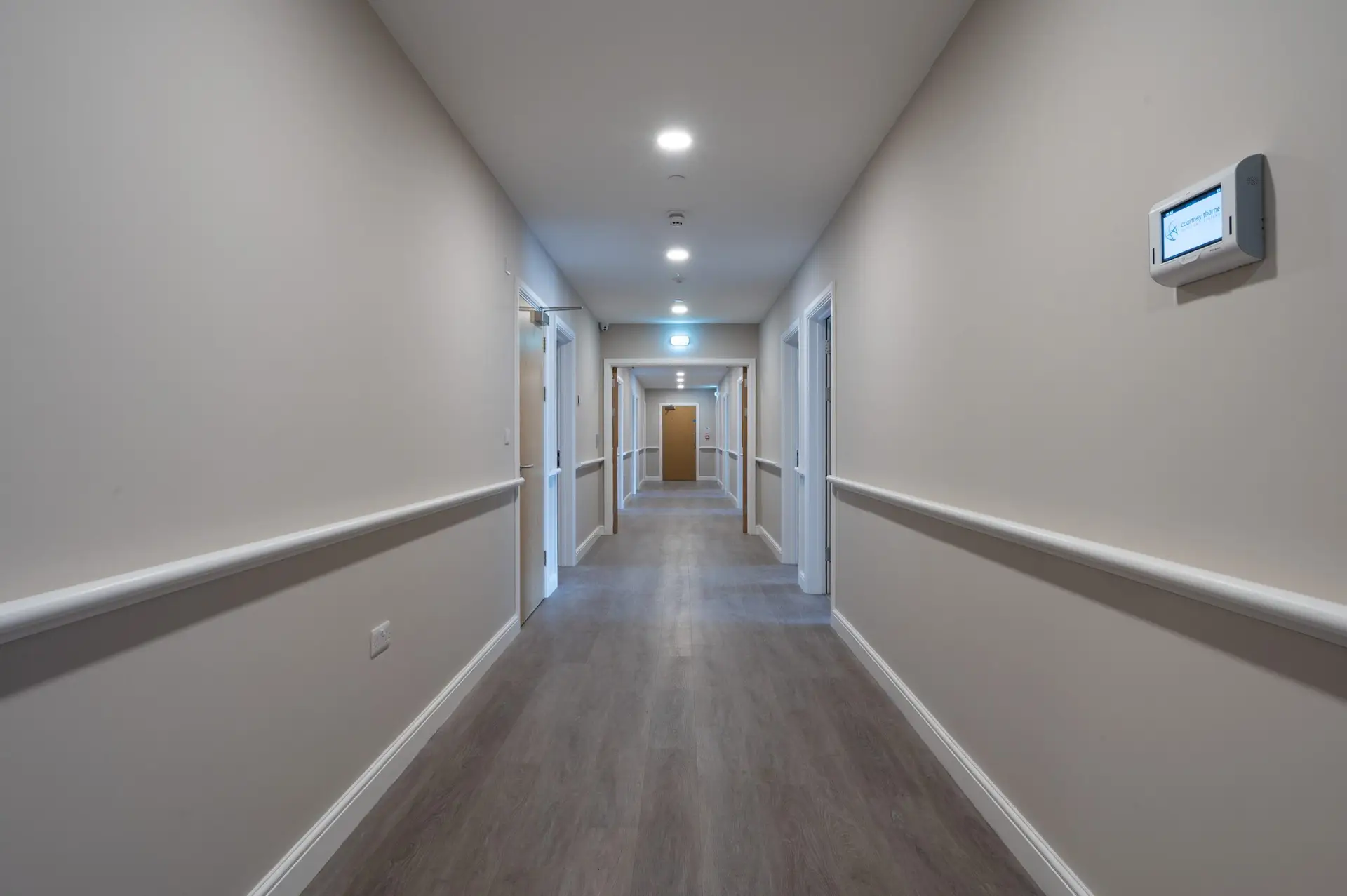
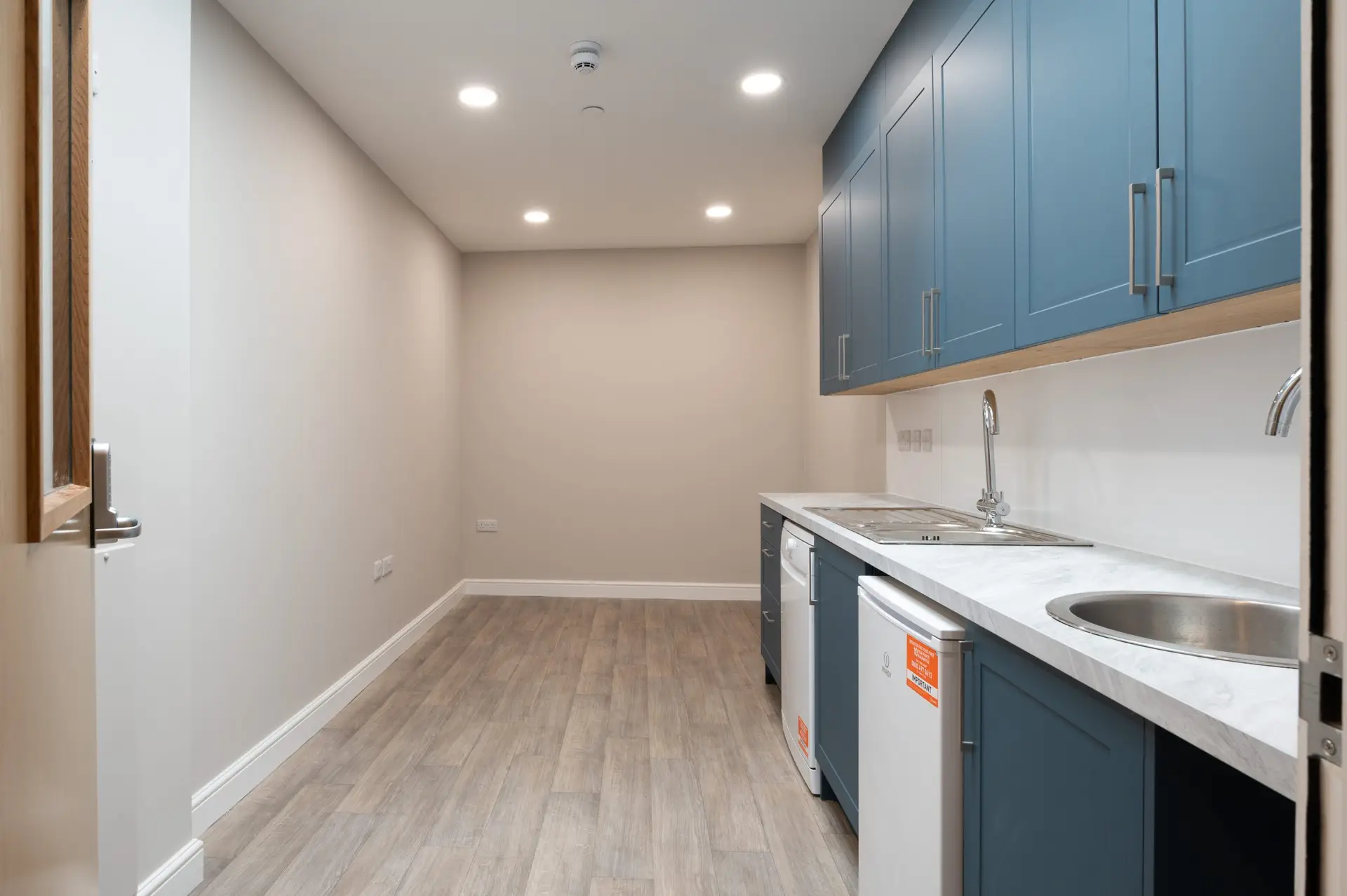
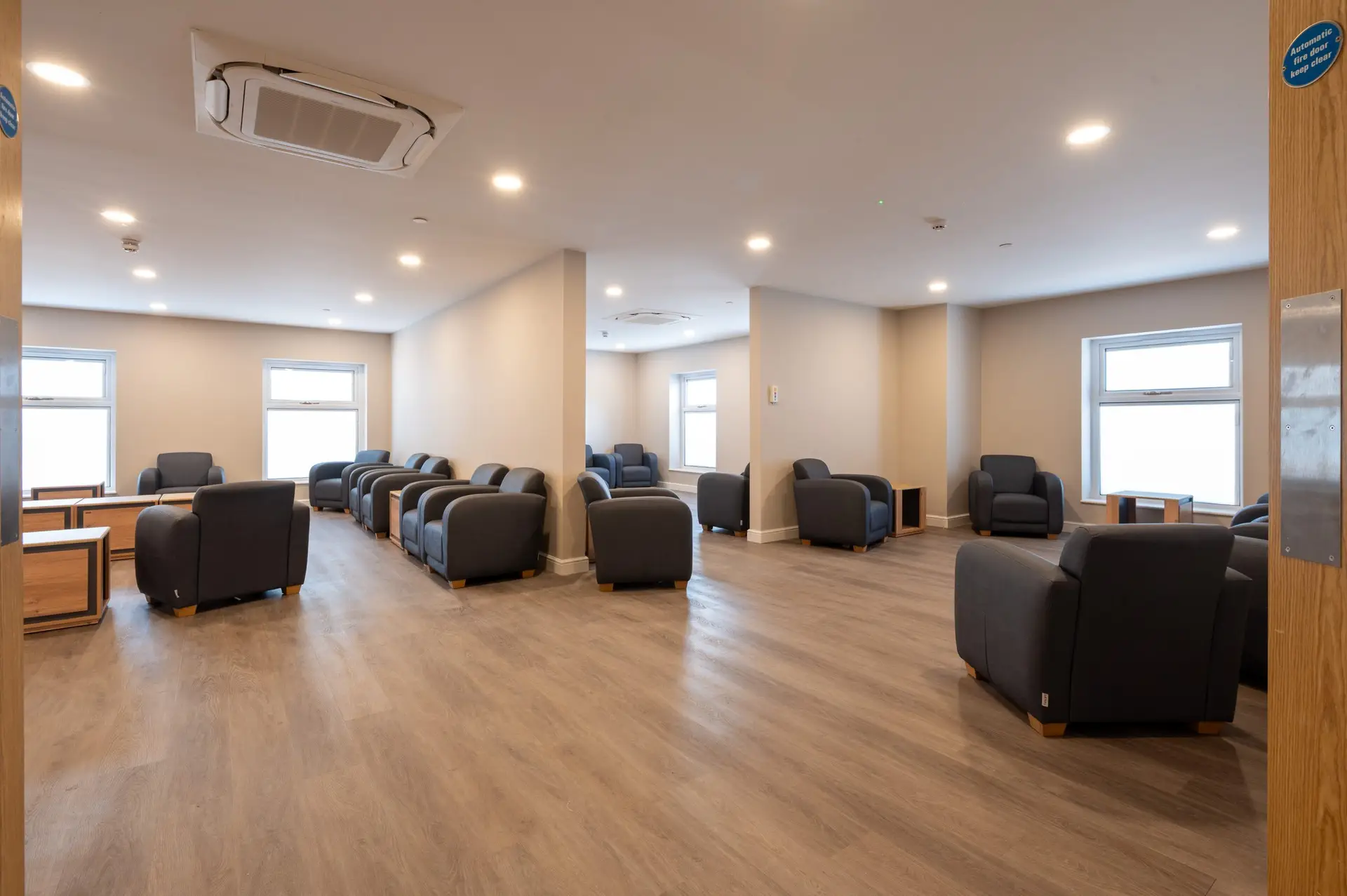
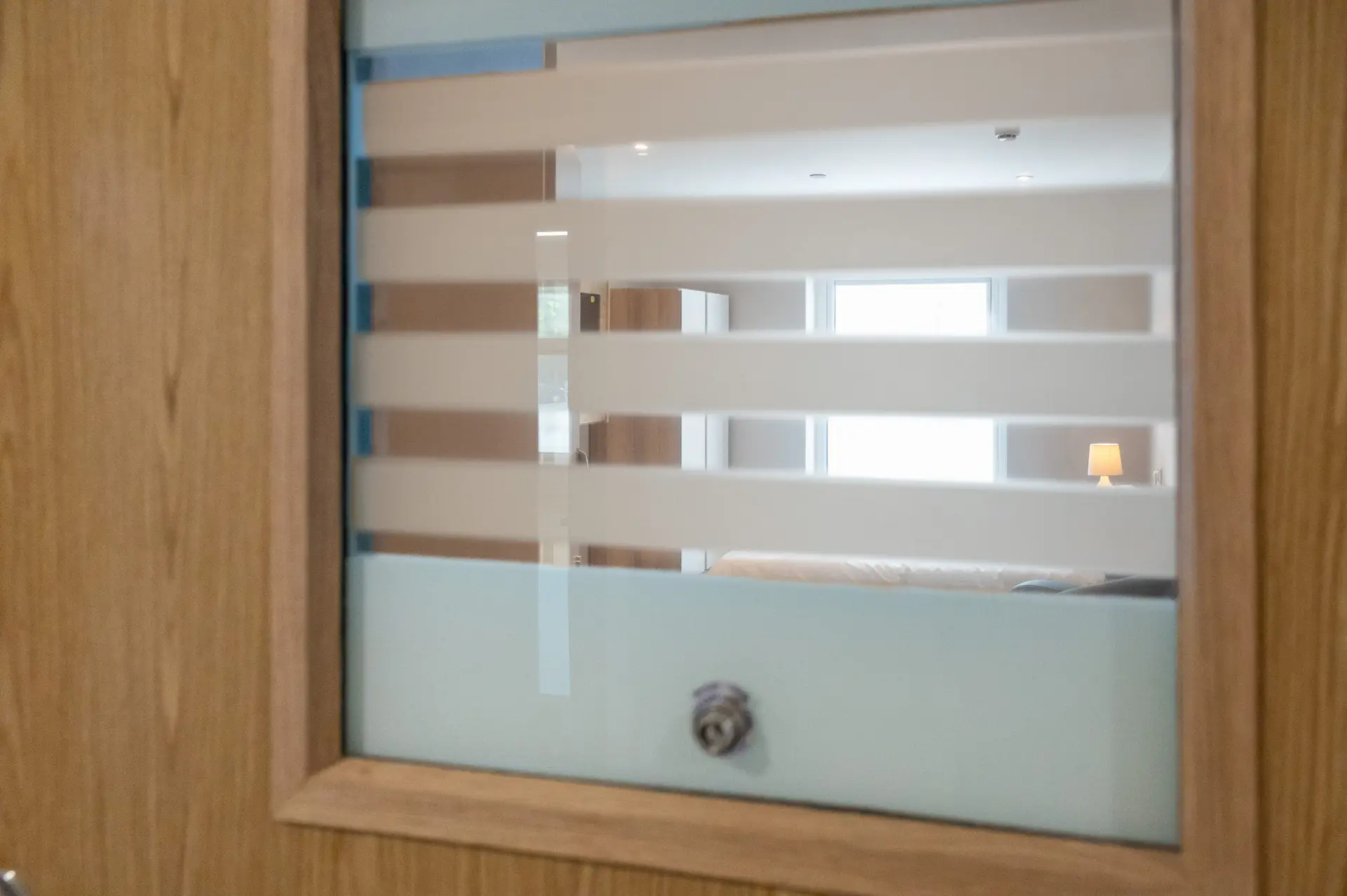
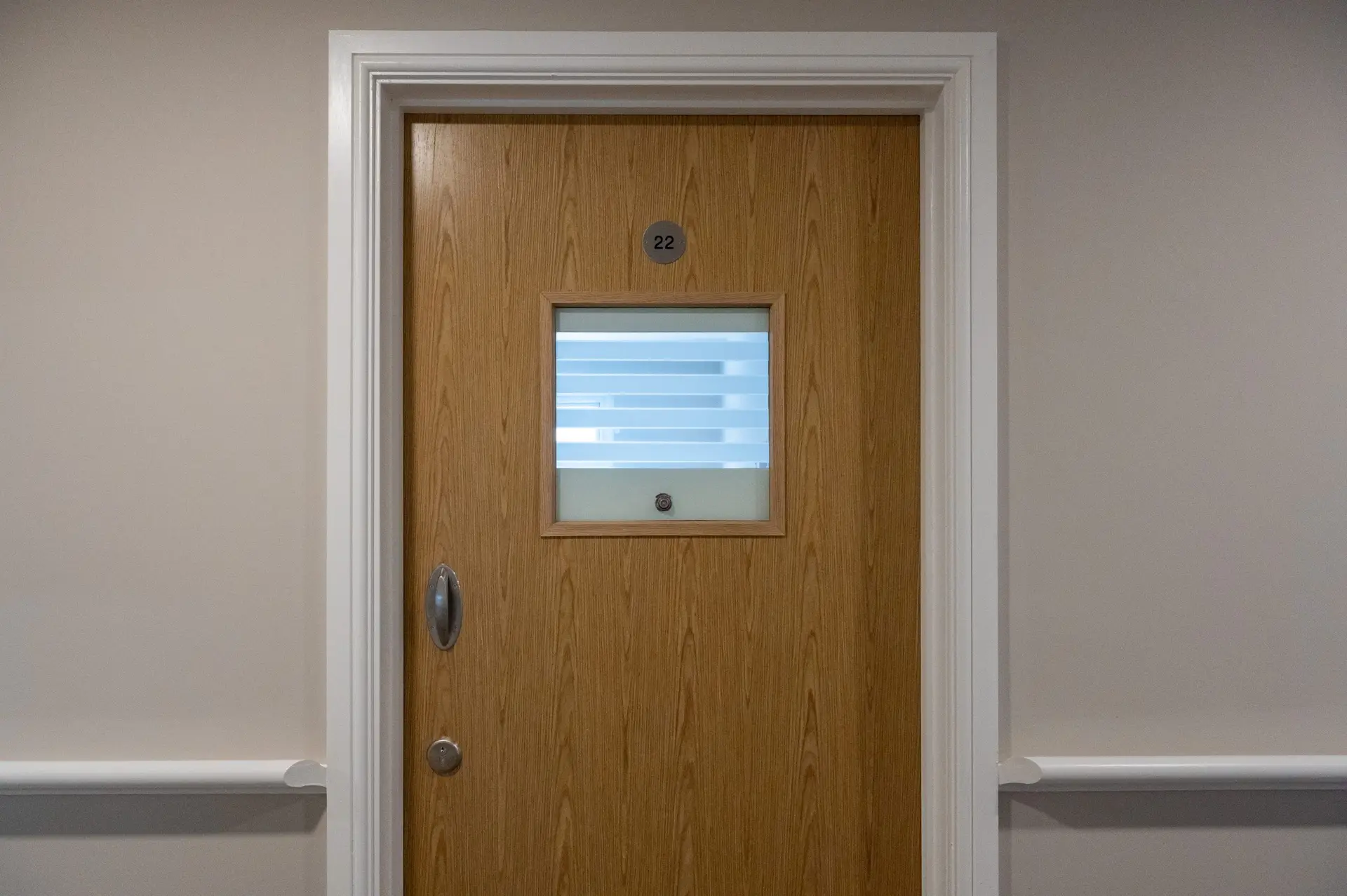
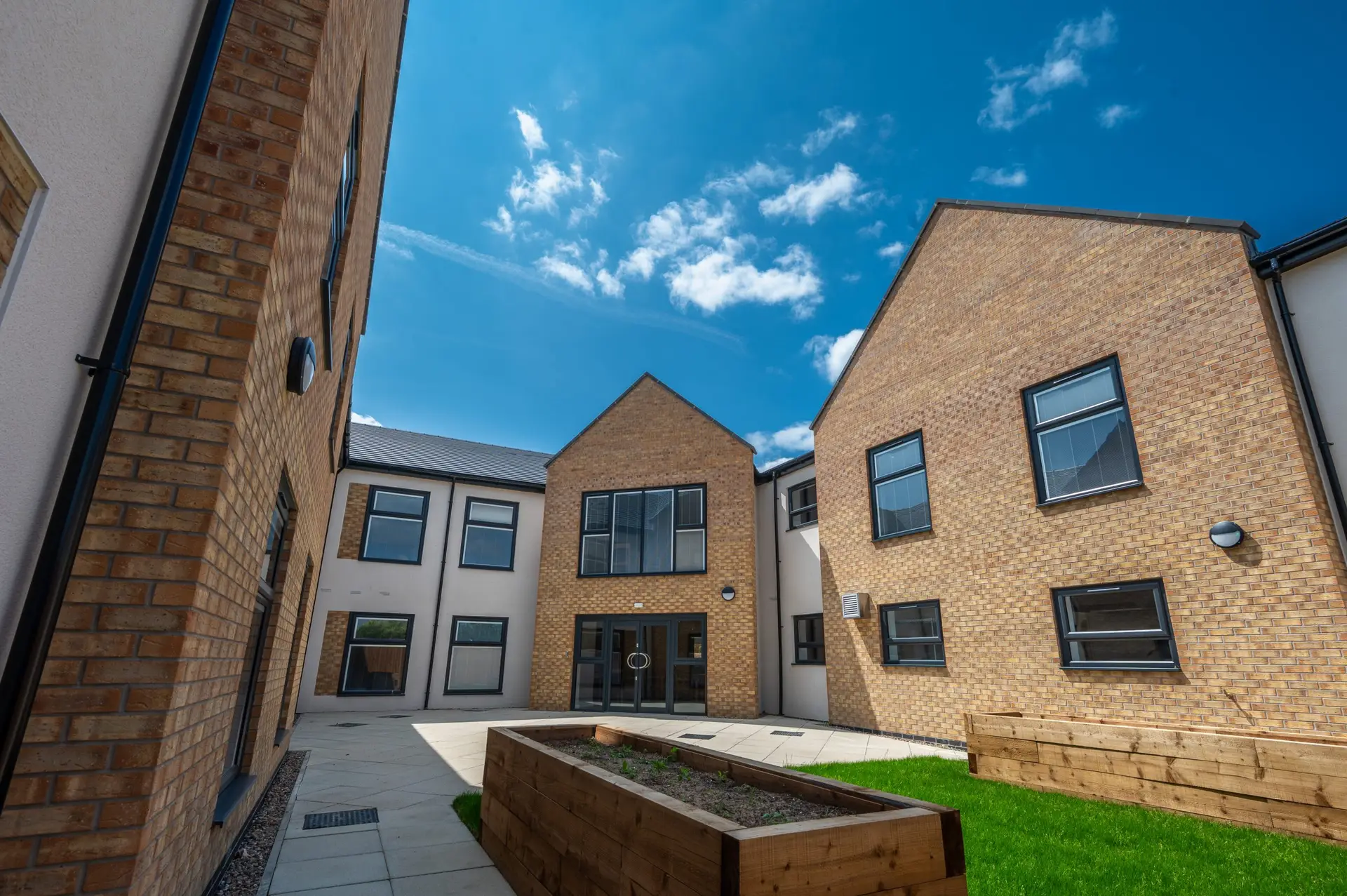
Bancroft Care Centre is our flagship home, custom built with one goal: to provide exceptional specialist mental health care.
Led by our nurses and Occupational Therapist, we put each person at the centre of every decision—shaped around their needs, outcomes and unique identity.
People arrive at a difficult point. What happens next is not containment, but a multidisciplinary team who see the whole person: their strengths, culture, goals and the life they want to return to.
Contact megan.tranter@ashahealthcare.co.uk to book a viewing or discuss referral pathways.
Asha Healthcare
You are warmly invited to visit our home!
Specialist nurse-led mental health service for adults 18+
Designed for safety and dignity
Wednesday
22 JULY 2026
Guided tours through our home are available
Meet our nurses and occupational therapist · See our rooms and spaces
Learn about our specialist mental health care · Ask us anything