Beyond symptom control, towards a life with occupation, choice and meaning in it
It is possible for someone to be safe, medically stable, well cared for and profoundly bored. Symptom control is necessary and it is not sufficient. Quality of life is built from occupation, choice, relationship and identity — and each of these can be supported deliberately.
Ask most people what makes a good week and the answers are ordinary: something to do, someone to see, something to look forward to, a degree of control over how the time is spent. Nobody describes a good week in terms of the absence of symptoms.
Yet for adults with complex mental health needs in residential settings, care plans routinely describe risk, medication, monitoring and support needs in detail, and occupation, relationships and preference in a sentence.
Doing nothing is not neutral. Prolonged inactivity affects sleep, appetite, physical health, mood and cognition, and it reliably increases the amount of time a person spends attending to distressing internal experiences. Where days are empty, incidents frequently rise — not because the person has deteriorated but because there is nothing else happening.
Meaningful occupation is not the same as activity provision. A timetable of scheduled sessions can be full and still meaningless if none of it is chosen, none of it produces anything, and none of it connects to who the person is or was:
A full timetable that nobody chose is an occupied day, not a meaningful one.
Large choices in specialist settings are often constrained by risk, legal frameworks, funding, or communal living. That makes the small everyday choices more important, not less:
These small decisions reinforce agency rather than passivity. Where a choice must be restricted, it should always be recorded with a clear clinical reason, an active review date, and a transparent explanation given to the individual.
Repeated crises and long placements tend to strip away personal networks. Rebuilding family contact requires careful, sensitive support. Concurrently, building new connections in the local community provides spaces where the individual is treated as a valued community member rather than a patient.
People often arrive having been defined exclusively in clinical terms for years. Rediscovering their history — past employment, personal beliefs, passions, favorite music, and life achievements — is essential clinical work. It gives someone an identity beyond being unwell, providing the foundation for genuine engagement.
Quality of life cannot be sustained while physically unwell. Dental pain, unmanaged diabetes, medication side effects, poor eyesight, and immobility directly degrade daily wellbeing and are frequently overlooked when misattributed solely to psychiatric symptoms. Prioritising sleep, balanced nutrition, daylight, movement, and routine health screenings is fundamental to care.
Ask the person. Then evaluate concrete evidence: how much of the day is chosen, how much involves social connection, how much occurs beyond the building, and what tangible things are produced. A service that can demonstrate these indicators is delivering authentic, recovery-oriented care.
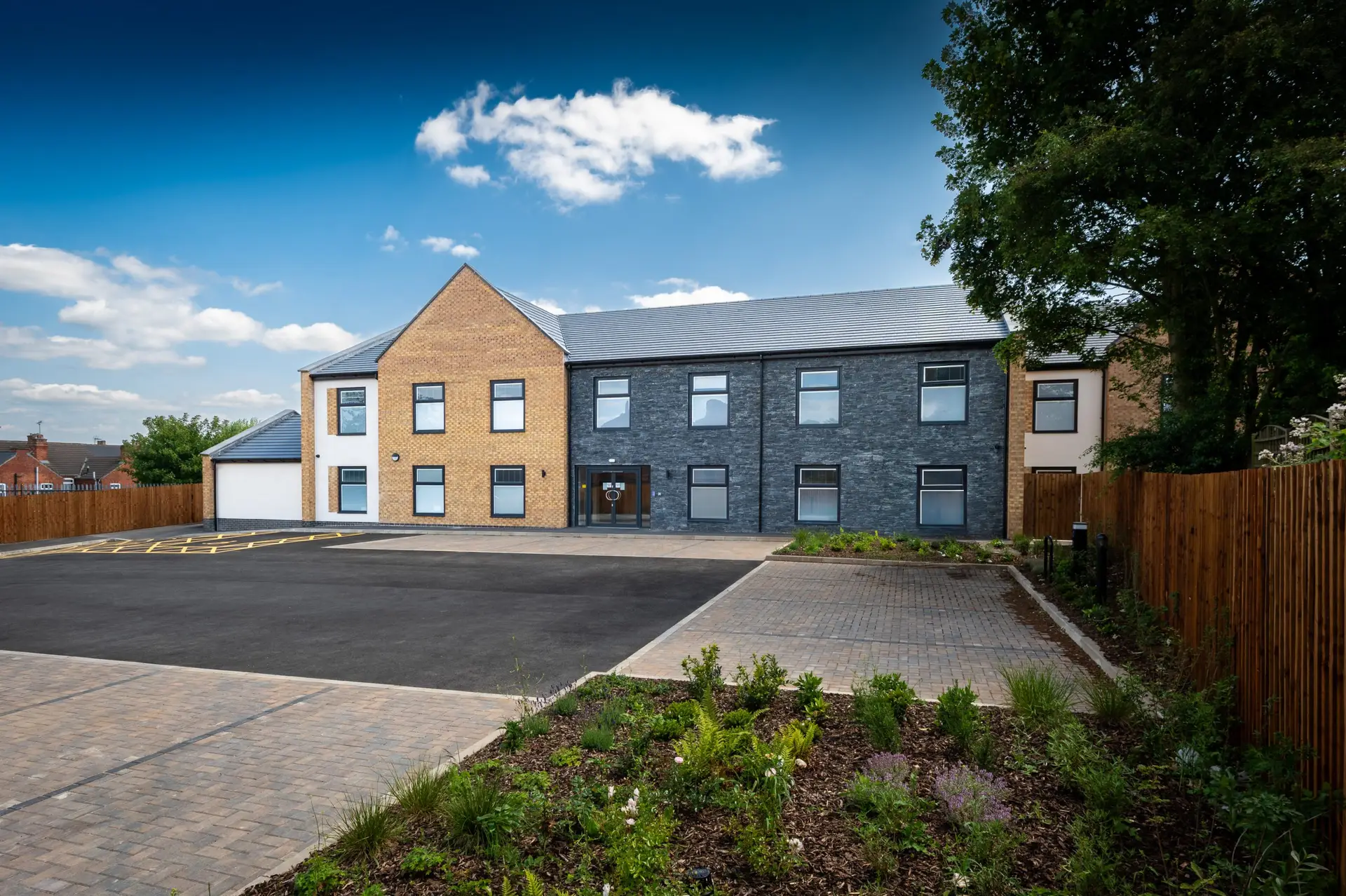
Bancroft Care Centre is ASHA Healthcare’s specialist service in Mansfield, Nottinghamshire, providing residential, nurse-led and occupational health-led care for adults with complex mental health needs. The service supports people under Section 117 aftercare and works with psychosis, schizophrenia, bipolar affective disorder, eating disorders, personality disorder presentations, dual diagnosis, forensic histories, behaviours that challenge, suicidal ideation, and placements that have broken down elsewhere.
To find out how we support people to build a life alongside their care, contact the Bancroft Care Centre team: