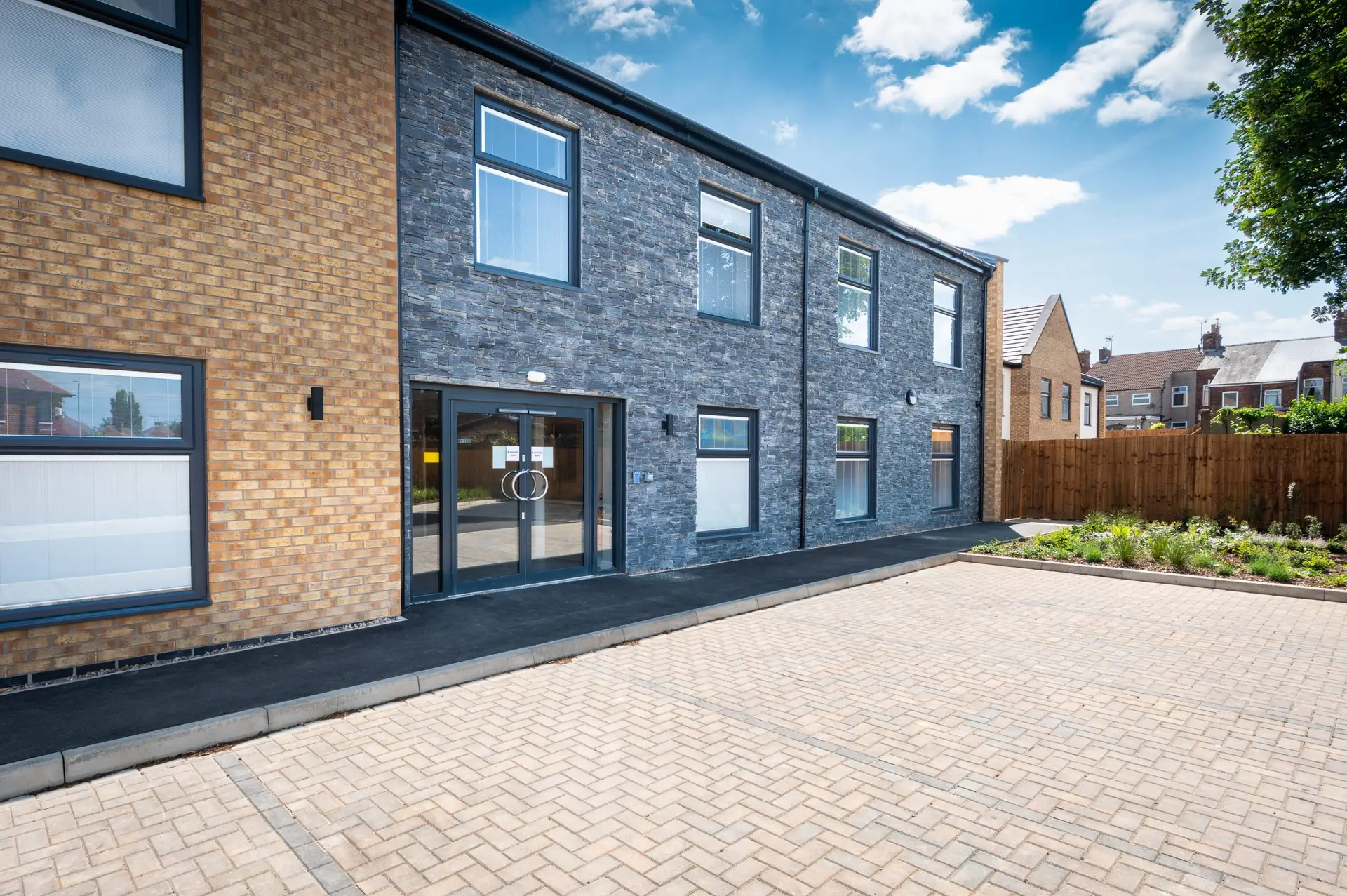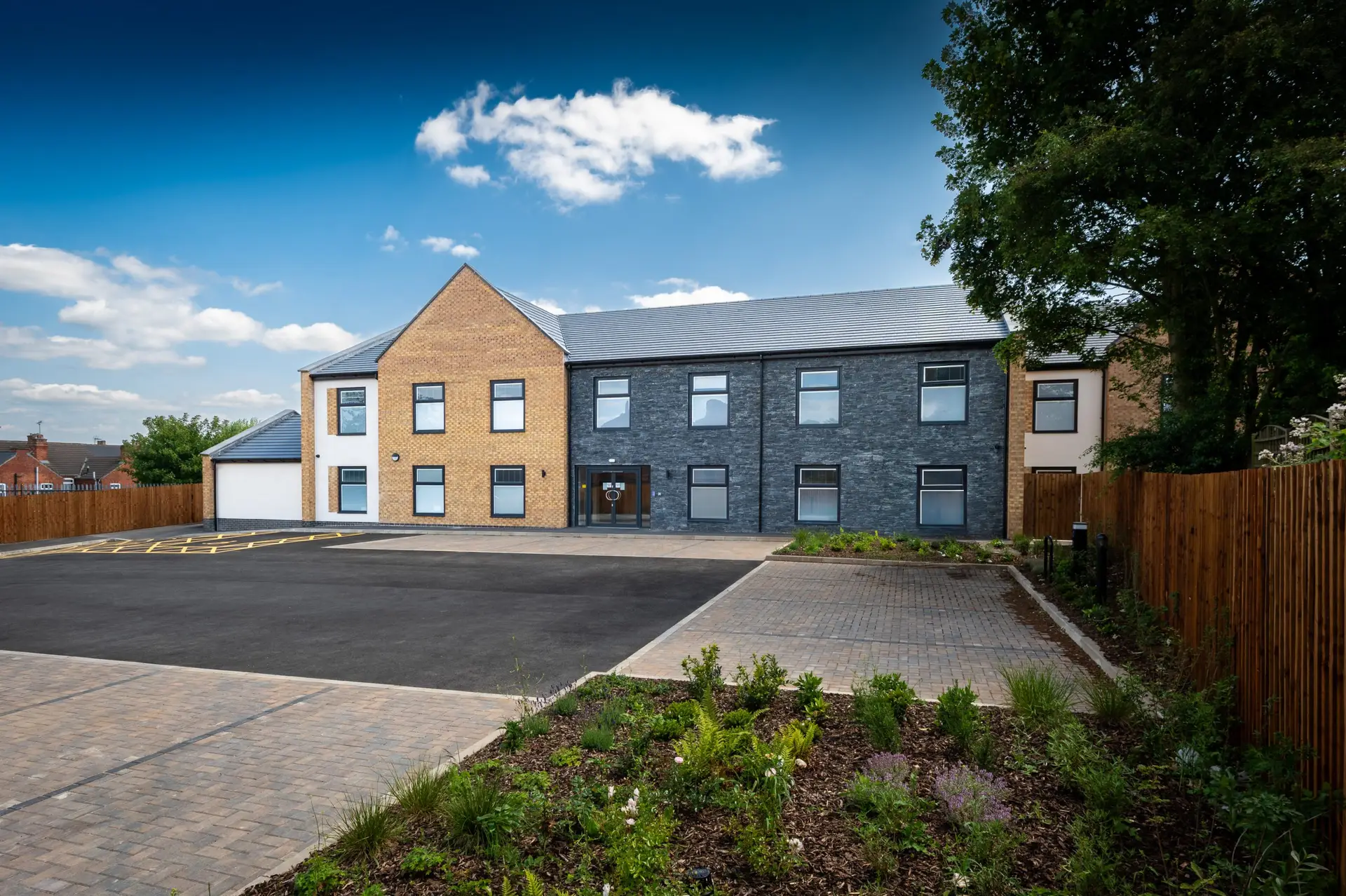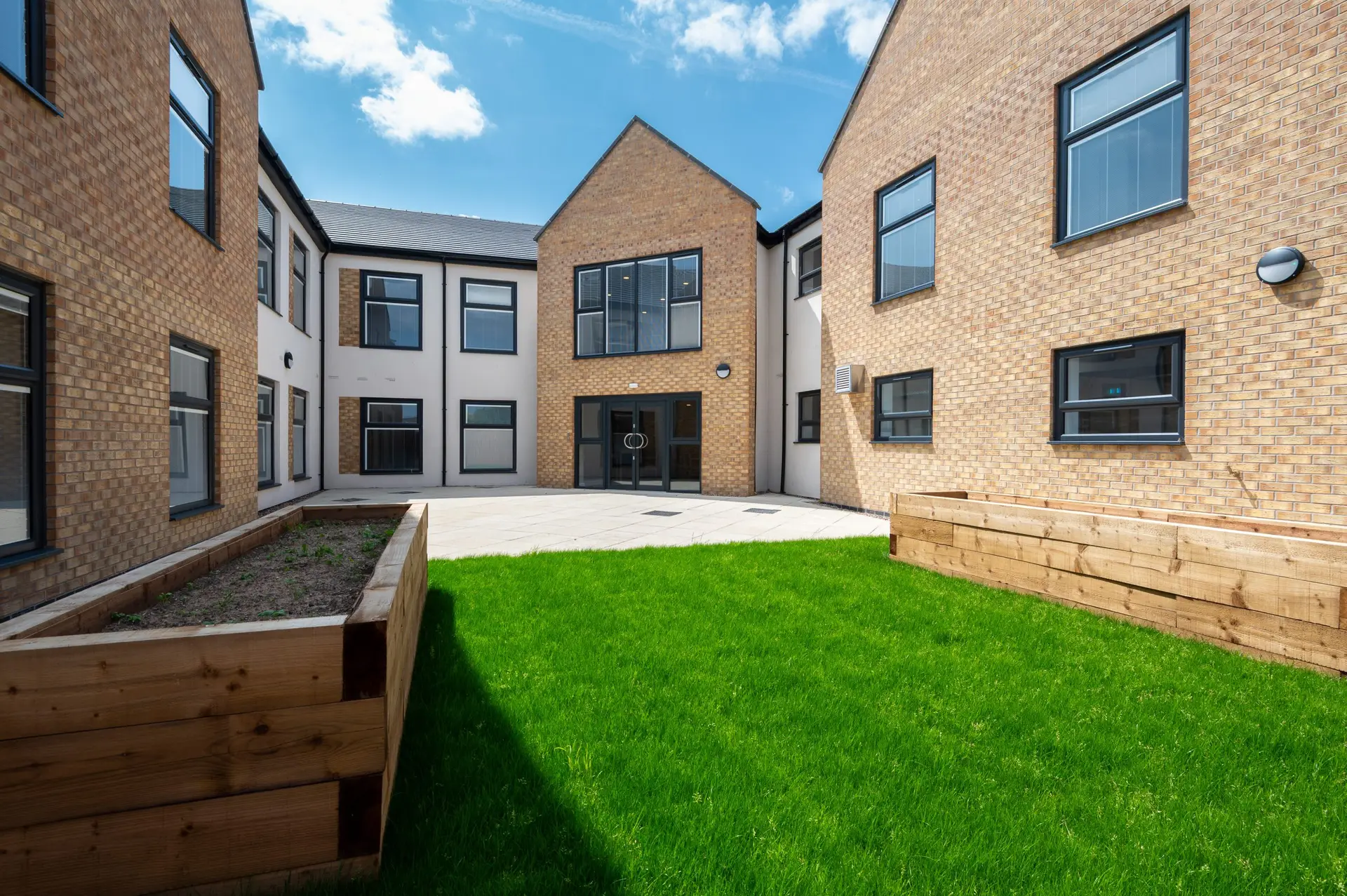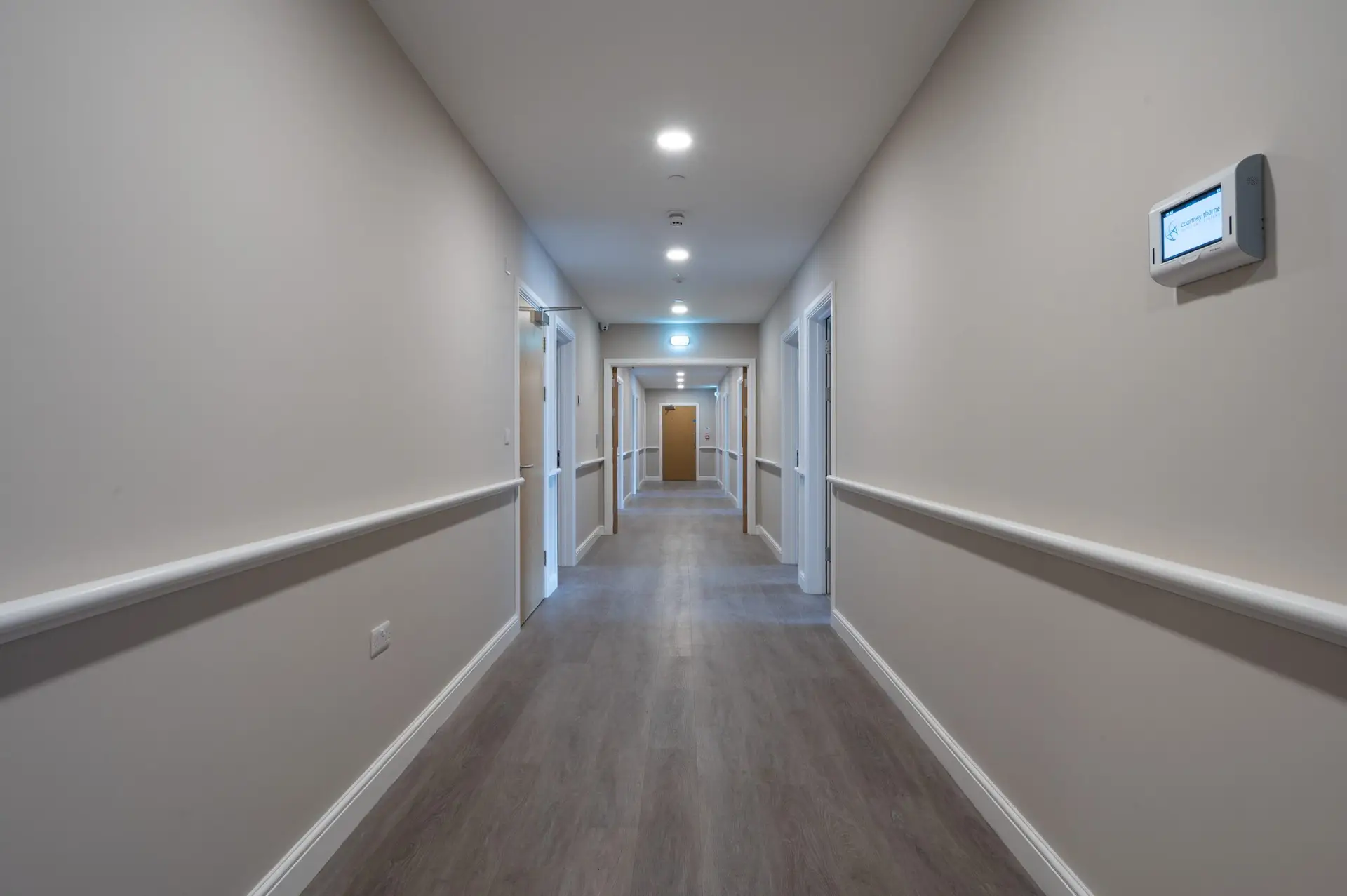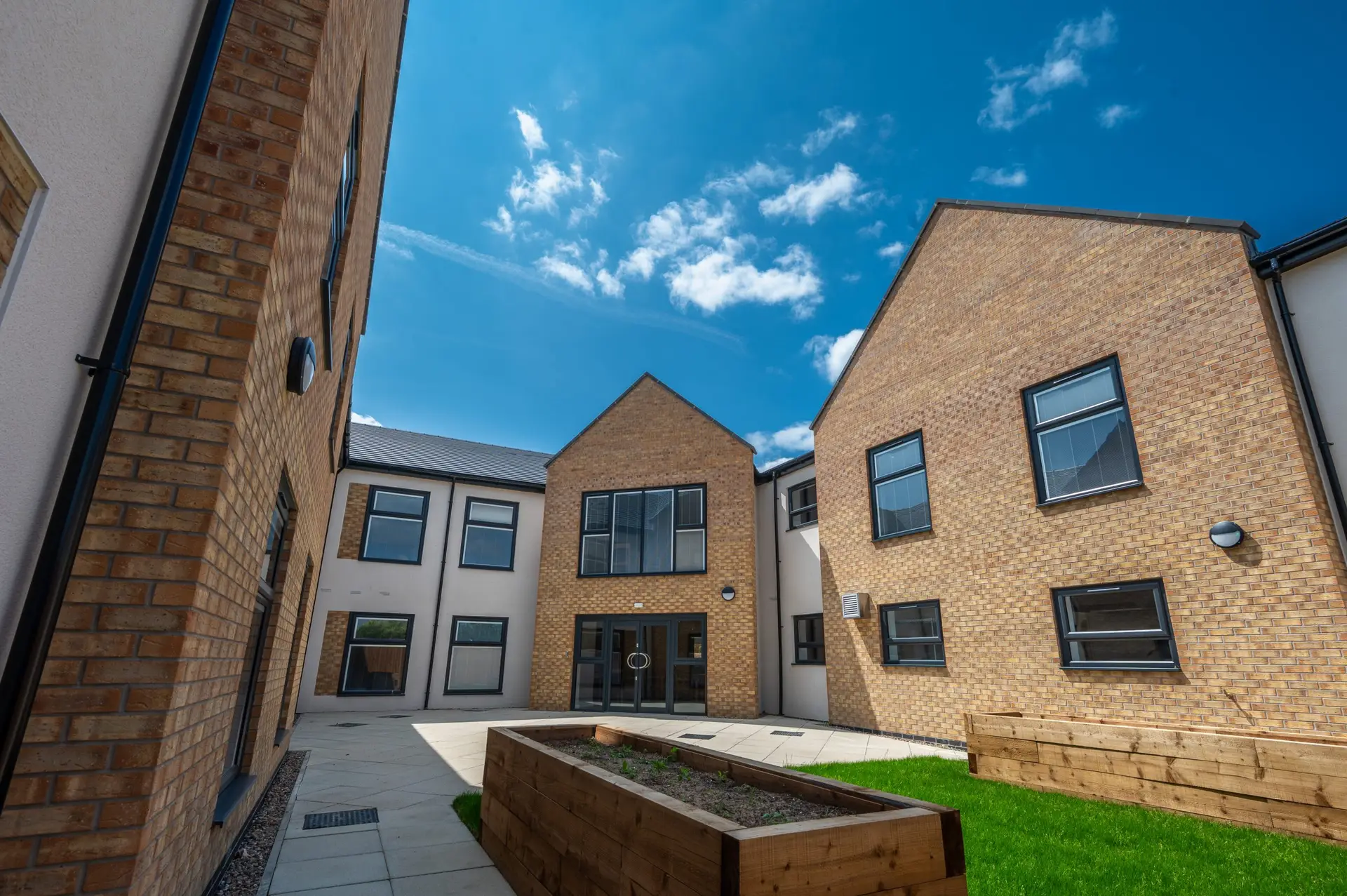
What a building communicates before anyone has said a word

People read buildings instantly. Long before a person meets the team, the environment has already told them whether they are trusted, whether they are expected to stay, and whether this is a place where something might change. Purpose-built design is not decoration — it is a clinical intervention with a long lead time.
Every environment makes an argument. Corridors lined with locked doors, communal furniture bolted in place, a staff office with a glass window facing the lounge, and laminated notices telling people what they may not do say something specific about who is trusted and what is expected.
The reverse is equally true. Somewhere with places to sit alone, natural light, a kitchen that is used, doors that can be closed, and rooms that show evidence of the people who live in them makes a different argument entirely, and people respond to it accordingly.
A high proportion of people supported in specialist mental health settings are sensitive to sensory load. Environments that are noisy, bright, echoing, overheated, or unpredictable increase that load continuously, depleting a person's capacity for engagement:
A building cannot make someone well. It can make the work of getting well considerably harder or considerably easier.
Communal living without the option of solitude is destabilising, while offering only bedrooms and a single large lounge creates a binary between isolation and full social exposure.
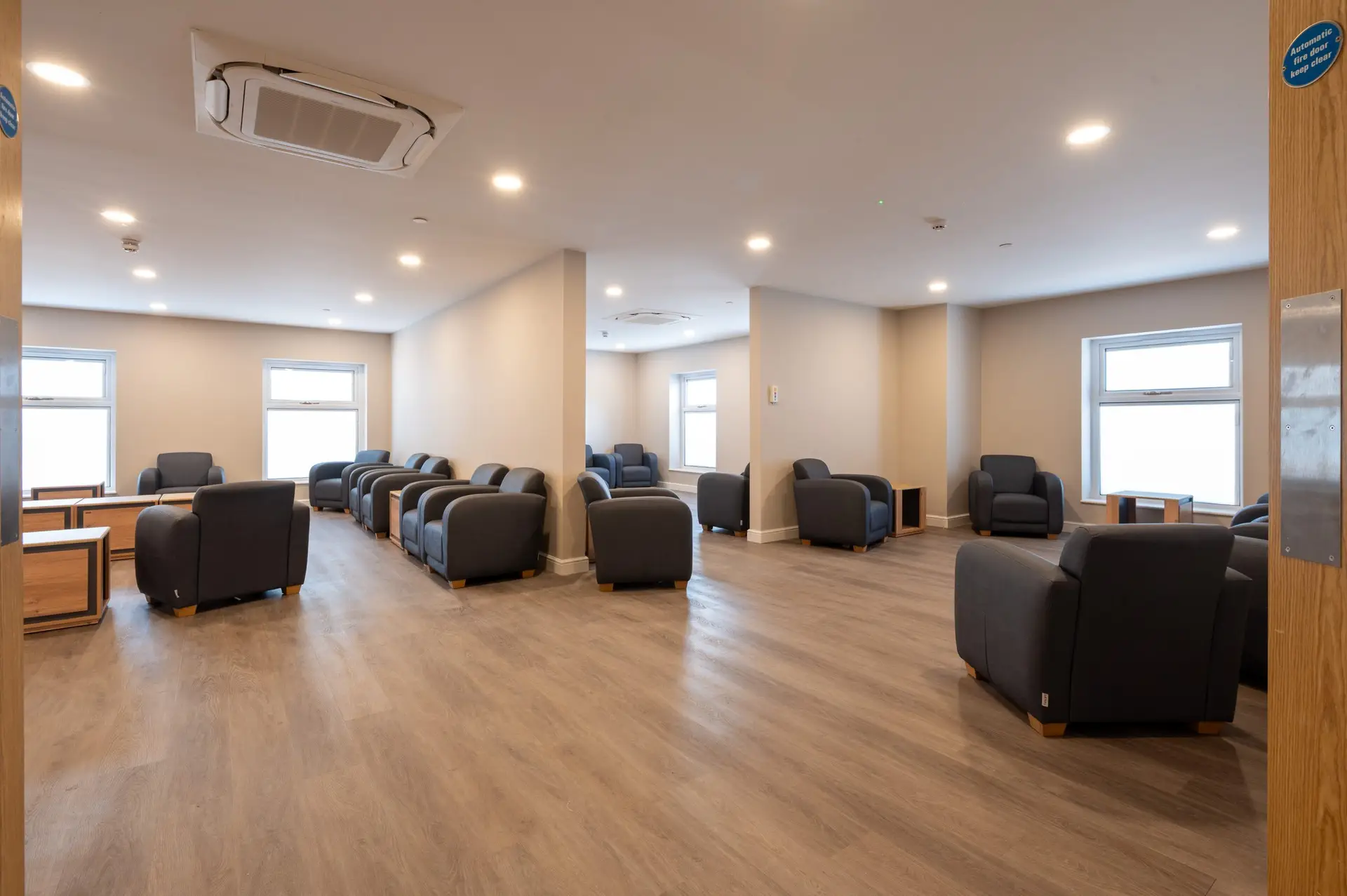
The most effective settings provide a clear spatial gradient: private bedrooms, quiet rooms for one or two people, smaller seating areas, larger communal lounges, and outdoor spaces with the same variety. This allows individuals to regulate proximity to others as a natural self-management strategy.
Specialist care requires managing real risks, including ligatures, sightlines, secure storage, and egress. The core design challenge is achieving safety without creating an atmosphere of surveillance.
Building geometry can provide clear sightlines naturally, anti-ligature fittings can read as standard domestic fixtures, and spaces can be arranged so residents naturally congregate near staff. Environments experienced as constant surveillance breed concealment, which is itself a major risk factor.
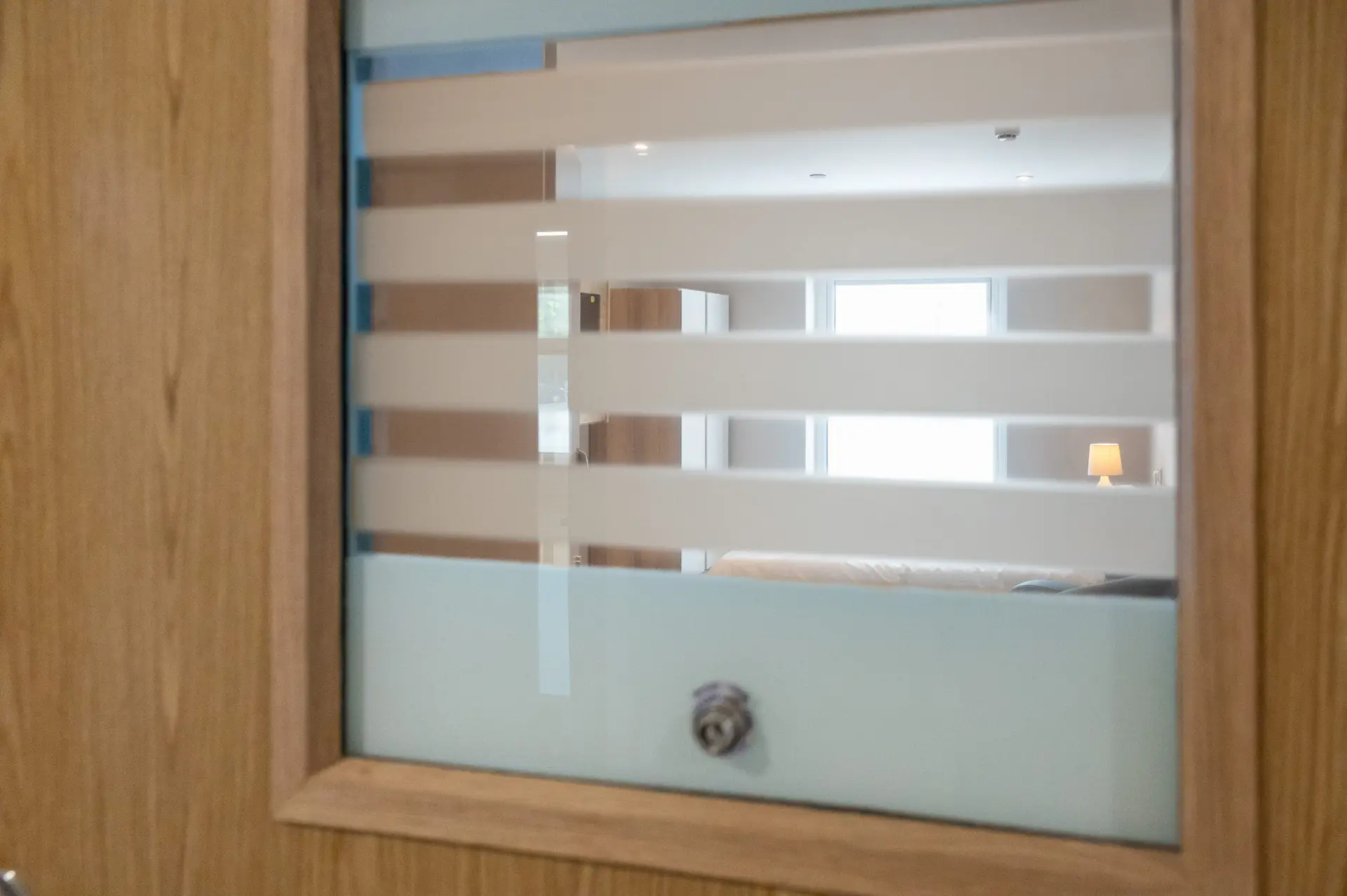
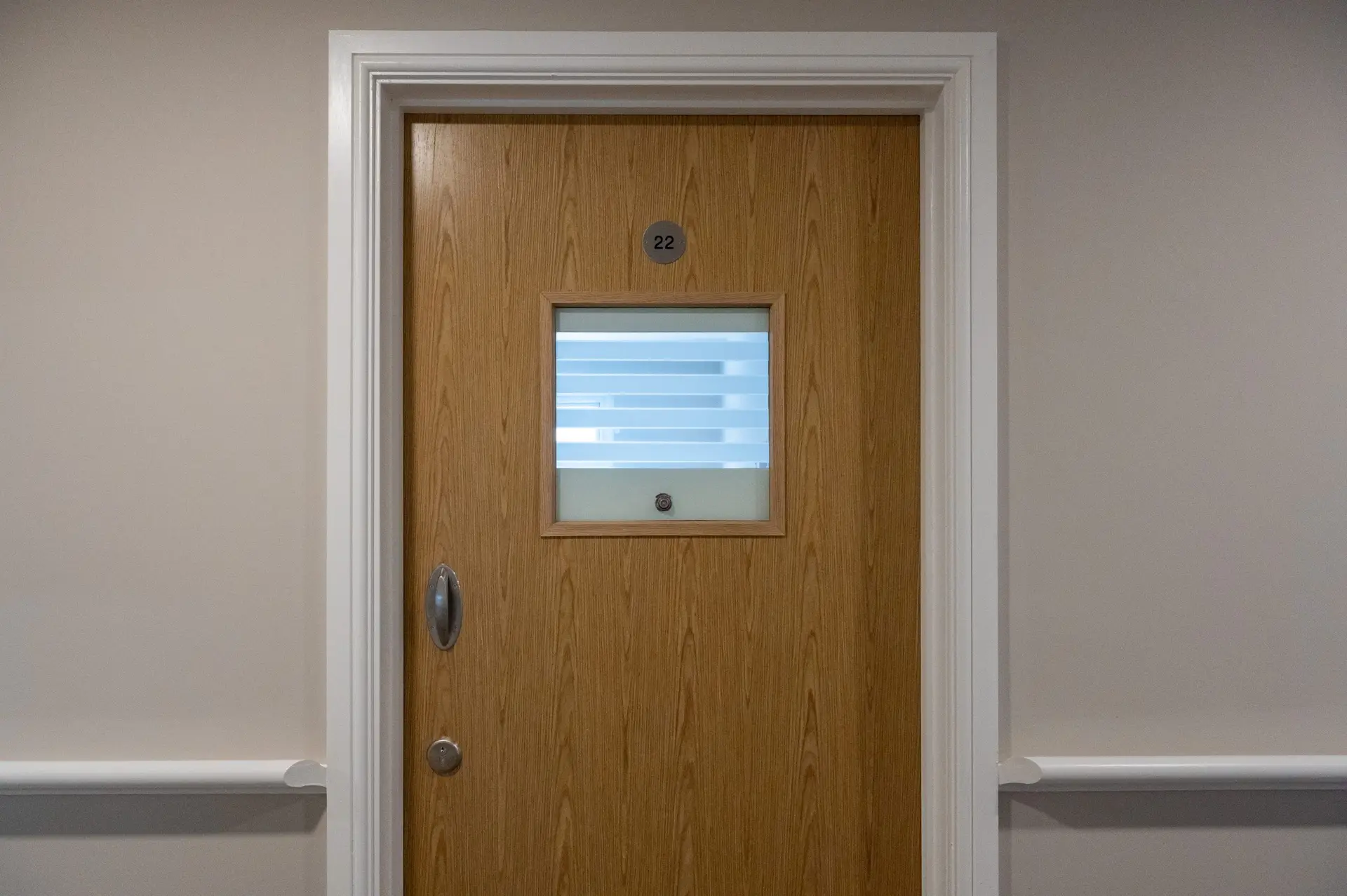
Rooms that cannot be personalised signal to occupants that they are temporary and interchangeable. Providing personal storage, customizable spaces, and key access to one's own door demonstrates respect and trust. Where key access cannot be safely provided, it should be a documented clinical decision rather than a default architectural policy.
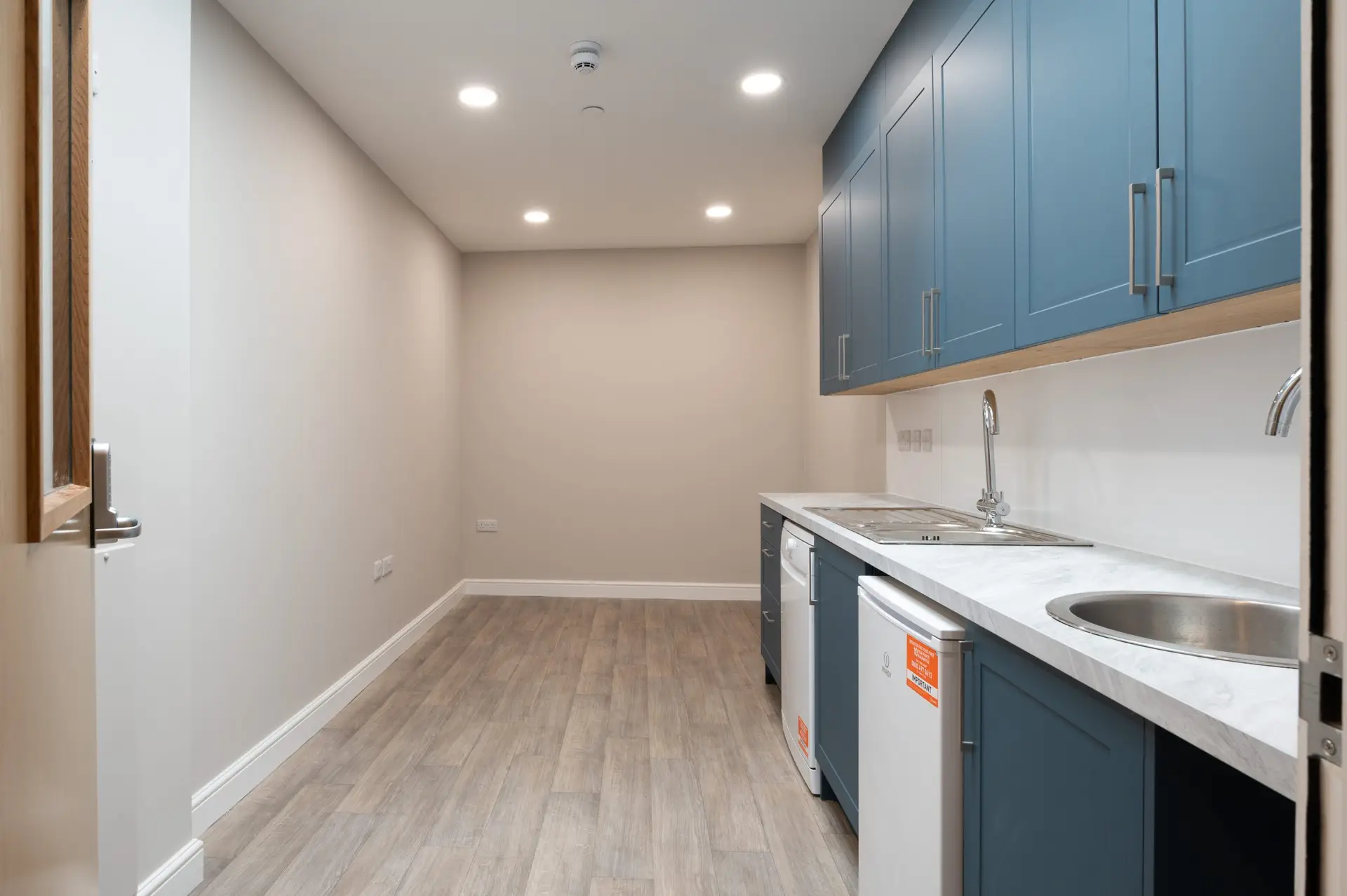
An environment that bears no resemblance to subsequent living arrangements creates significant transition barriers. Specialist settings must integrate practical domestic infrastructure — functional kitchens, laundry facilities, and accessible gardens — to allow residents to rehearse the real-world skills required for independent tenancies.
Bancroft Care Centre is ASHA Healthcare’s specialist service in Mansfield, Nottinghamshire, providing residential, nurse-led and occupational health-led care for adults with complex mental health needs. The service supports people under Section 117 aftercare and works with psychosis, schizophrenia, bipolar affective disorder, eating disorders, personality disorder presentations, dual diagnosis, forensic histories, behaviours that challenge, suicidal ideation, and placements that have broken down elsewhere.
To arrange a visit and see how our environment supports recovery, contact the Bancroft Care Centre team: