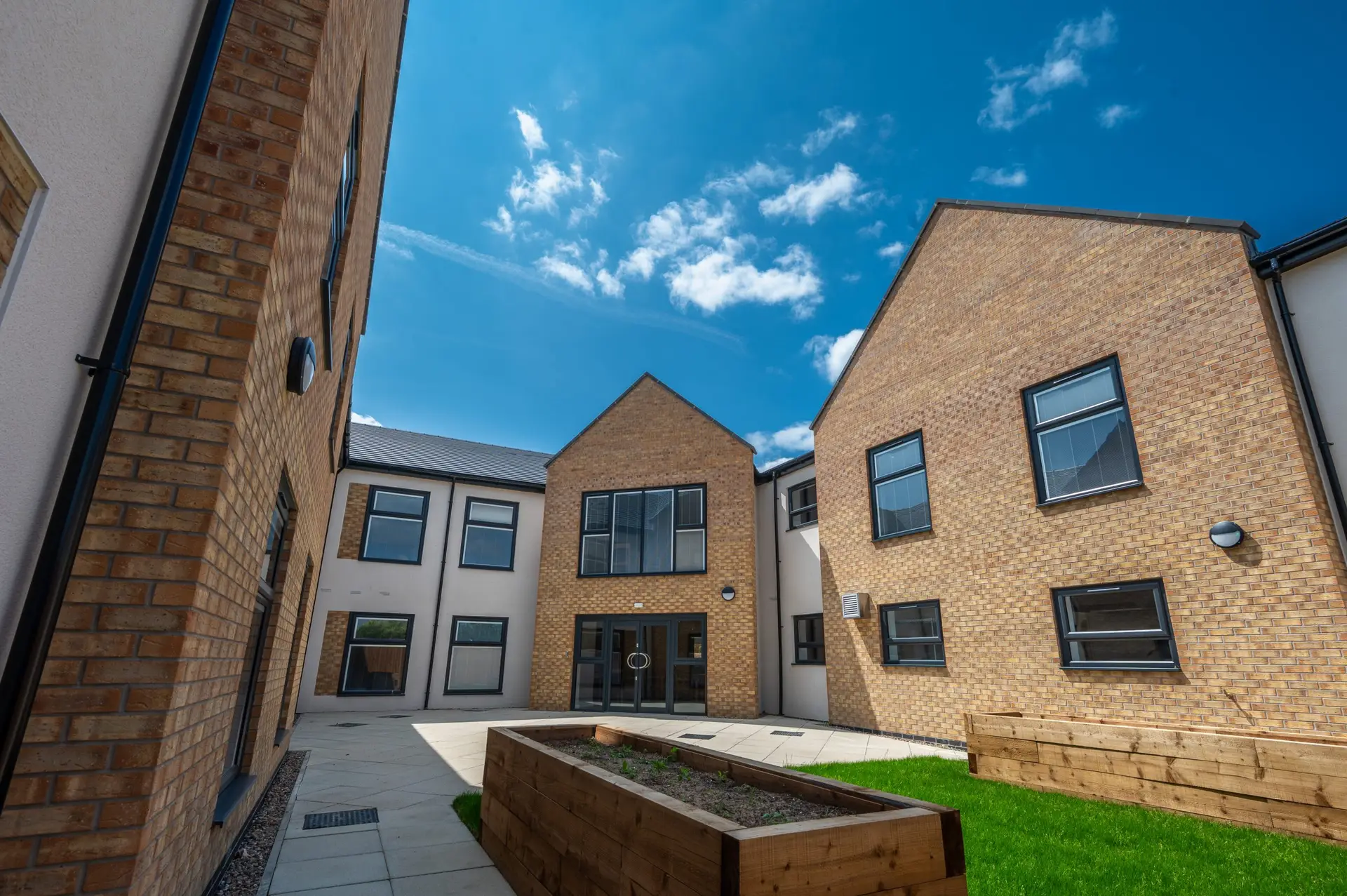
How Shared Spaces Support Connection and Recovery
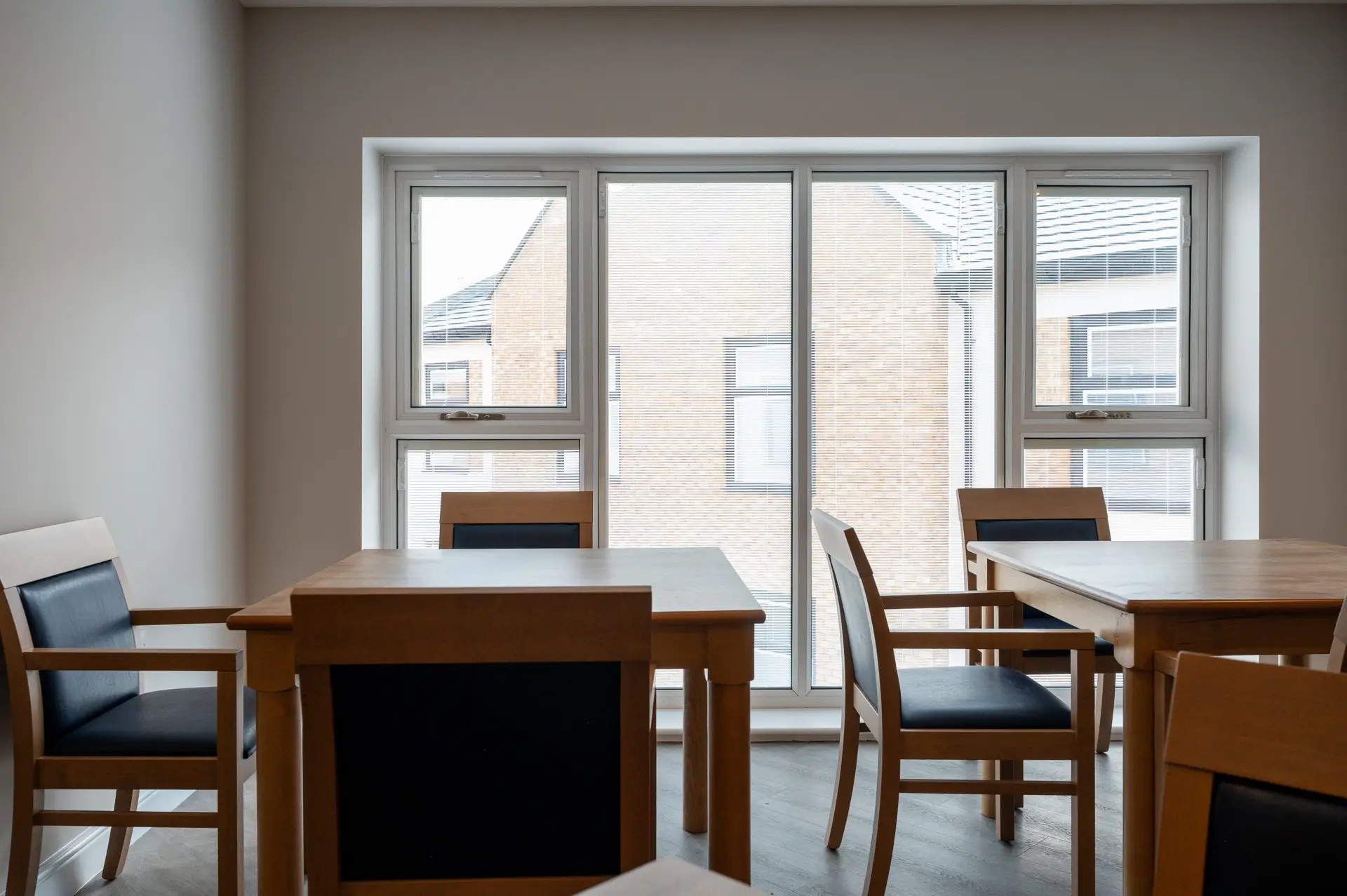
A communal dining space — calm, naturally lit, and outward-looking.
So far in this series we have focused on the private side of life at Bancroft Care Centre — the bedroom, the en-suite, the fittings that keep an individual safe in their own space. But recovery rarely happens in isolation. It also happens at the table, in conversation, in the ordinary rhythm of sharing a meal with others. This communal dining area shows how the same care that shapes a private room is brought to the shared spaces where people come together.
Mealtimes are one of the most powerful routines in any setting. They structure the day, mark the passing of time, and bring people into gentle contact with one another. For people recovering from mental illness or living with enduring conditions — many of whom have experienced isolation, hospital admission, or the breakdown of earlier placements — sitting down to eat alongside others is quietly therapeutic.
It rebuilds social confidence, re-establishes everyday habits, and offers connection without pressure. A shared table is where community is made, one meal at a time.
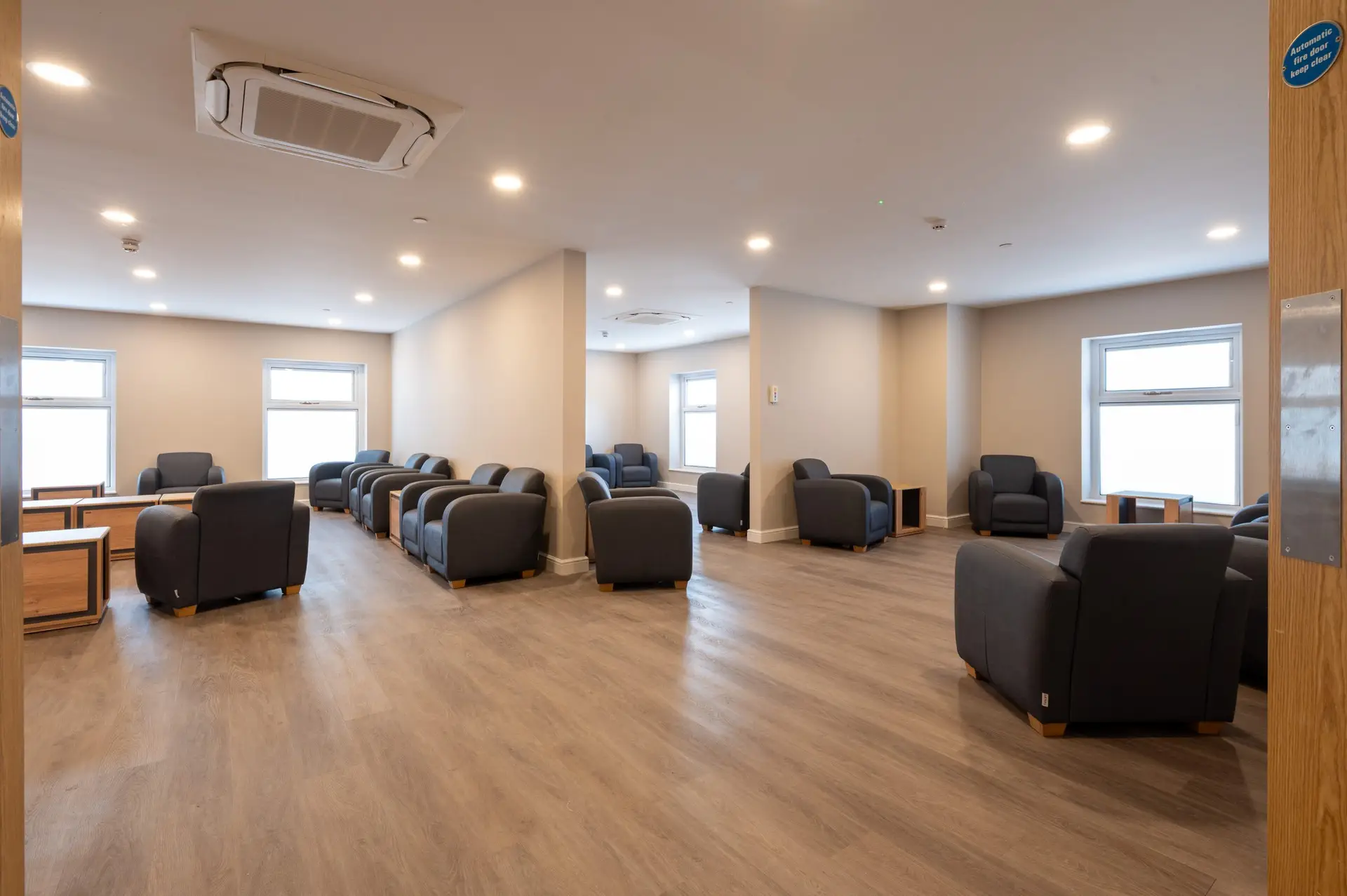
Like the bedrooms, this space is designed to be calm and low in stimulation. The walls are soft and neutral, the furniture is warm wood, and the room is filled with natural light from a large window wall that looks out onto an ordinary residential street.
That outward view matters: it keeps people connected to the normal life of the world outside, rather than enclosed within the service. A bright, settled, unhurried room makes coming to the table feel inviting rather than demanding — important for people who may find busy or noisy environments overwhelming.
The same principles of environmental safety that run through the private rooms are present here, woven discreetly into the design:
None of this announces itself; the room simply feels like a pleasant place to eat.
A communal dining room also supports independence and choice. People can choose to come together at mealtimes or to sit quietly, to join conversation or simply to share the same space. That freedom — to be sociable on one’s own terms — restores a sense of normality and autonomy that institutional settings have too often removed.
The room is arranged to feel like a domestic dining space, not a canteen, reinforcing the message that this is somewhere people live, not merely somewhere they are looked after.
A dining room may seem a simple thing, but it carries real therapeutic weight. It is where routine, nutrition, social connection and dignity meet — and where safety sits quietly in the background so that none of those things are compromised.
In a service providing hospital-equivalent care within a homely setting, shared spaces like this one show how the environment itself becomes part of the care model: bringing people together, supporting recovery, and preserving comfort, independence and dignity.
That is the standard we hold across every space — private and shared alike — and every detail of life at Bancroft.