Rebuilding Independence Through Everyday Living
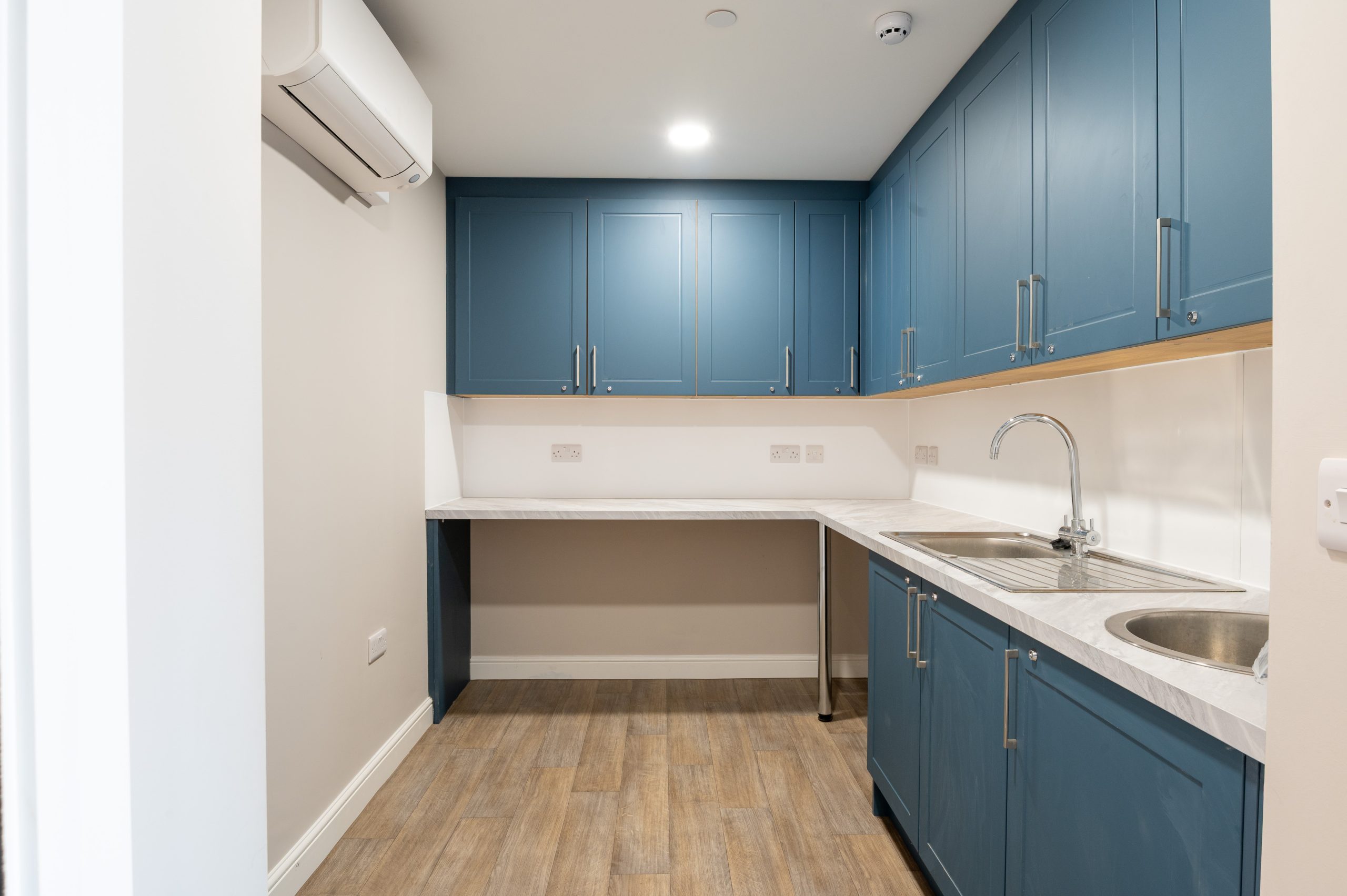
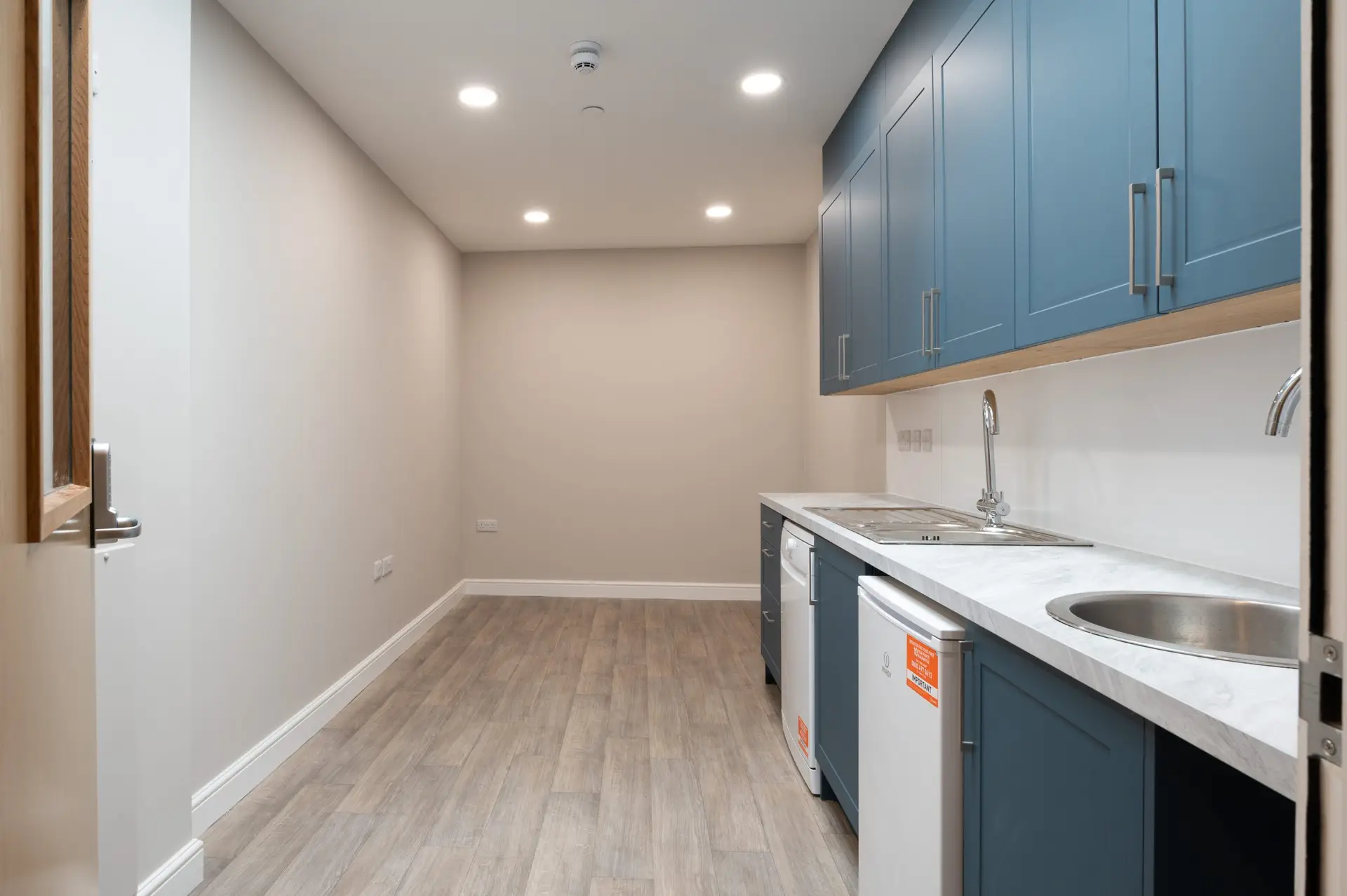
A domestic kitchen for residents — where recovery becomes practical.
Earlier in this series we looked behind the scenes at Bancroft’s commercial kitchen — the professional facility that caters for the whole service. This space is its quiet opposite, and just as important. It is a domestic kitchen, designed not for catering but for residents: a place to make a cup of tea, prepare a simple meal, and relearn the ordinary skills of independent living. If the commercial kitchen feeds people, this one helps them recover.
For many of the people we support — those living with enduring mental illness, recovering from long hospital admissions, or rebuilding their lives after repeated placement breakdowns — independence is not regained all at once. It is rebuilt step by step, through the practical routines of daily life.
Making your own breakfast, washing up, managing a kitchen safely and confidently: these are the building blocks of self-reliance, and for someone preparing to move toward more independent living, they matter enormously.
A resident kitchen gives people a real, safe place to practise those skills. Often this work is supported by occupational therapy, with staff alongside to build confidence at a person’s own pace. The goal is always the same: to help people do more for themselves, and to carry that capability forward into the next stage of their lives.
The first thing to notice about this kitchen is that it feels domestic, not institutional. The warm blue shaker cabinets, the natural worktop, the wood-effect floor and the soft lighting are the choices you would make in a family home. That is deliberate.
Practising daily living skills in a space that feels ordinary and pleasant is far more meaningful — and far more encouraging — than doing so in a clinical environment. People are preparing for everyday life, so the space is designed to look and feel like everyday life.
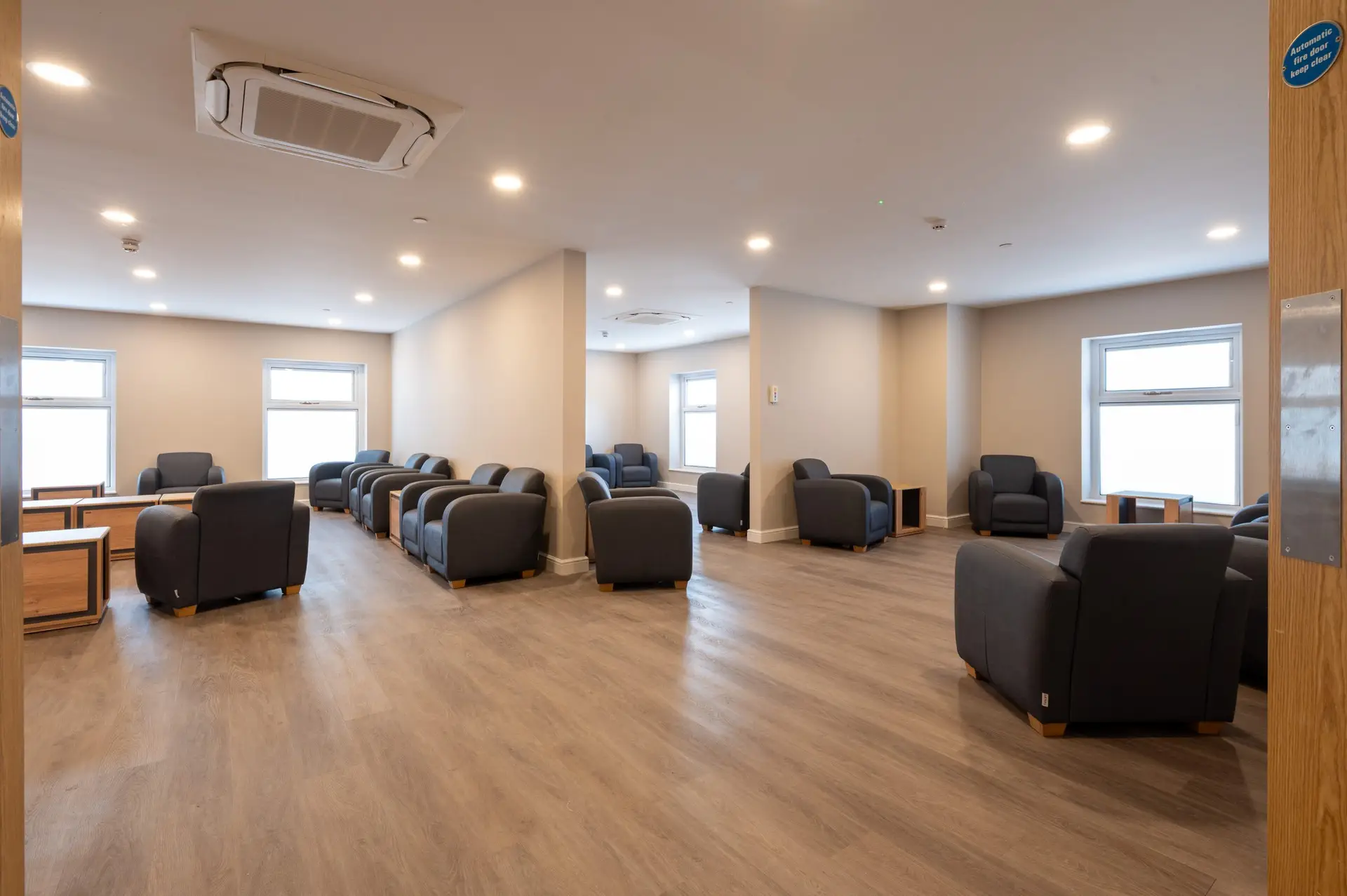
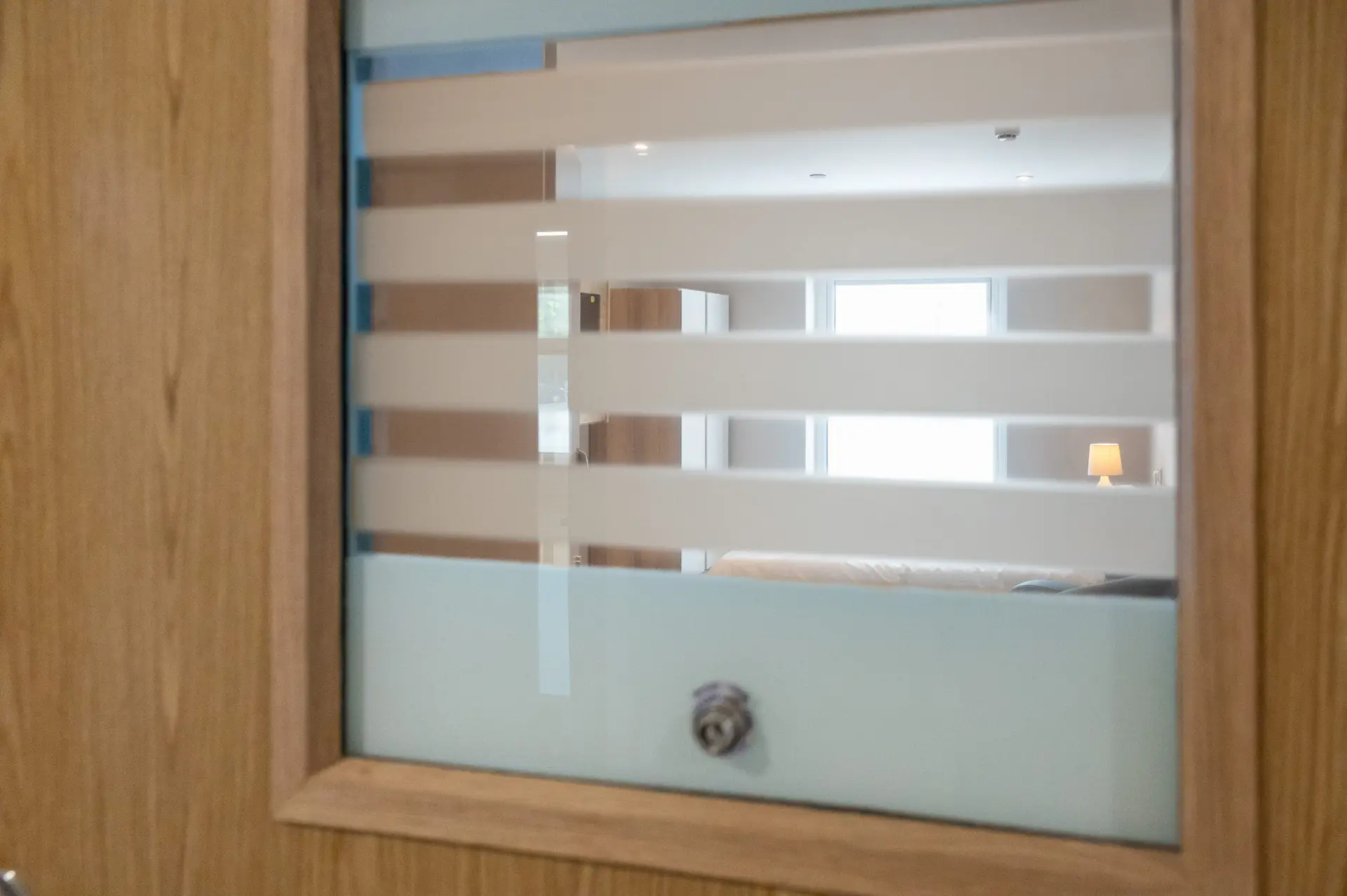
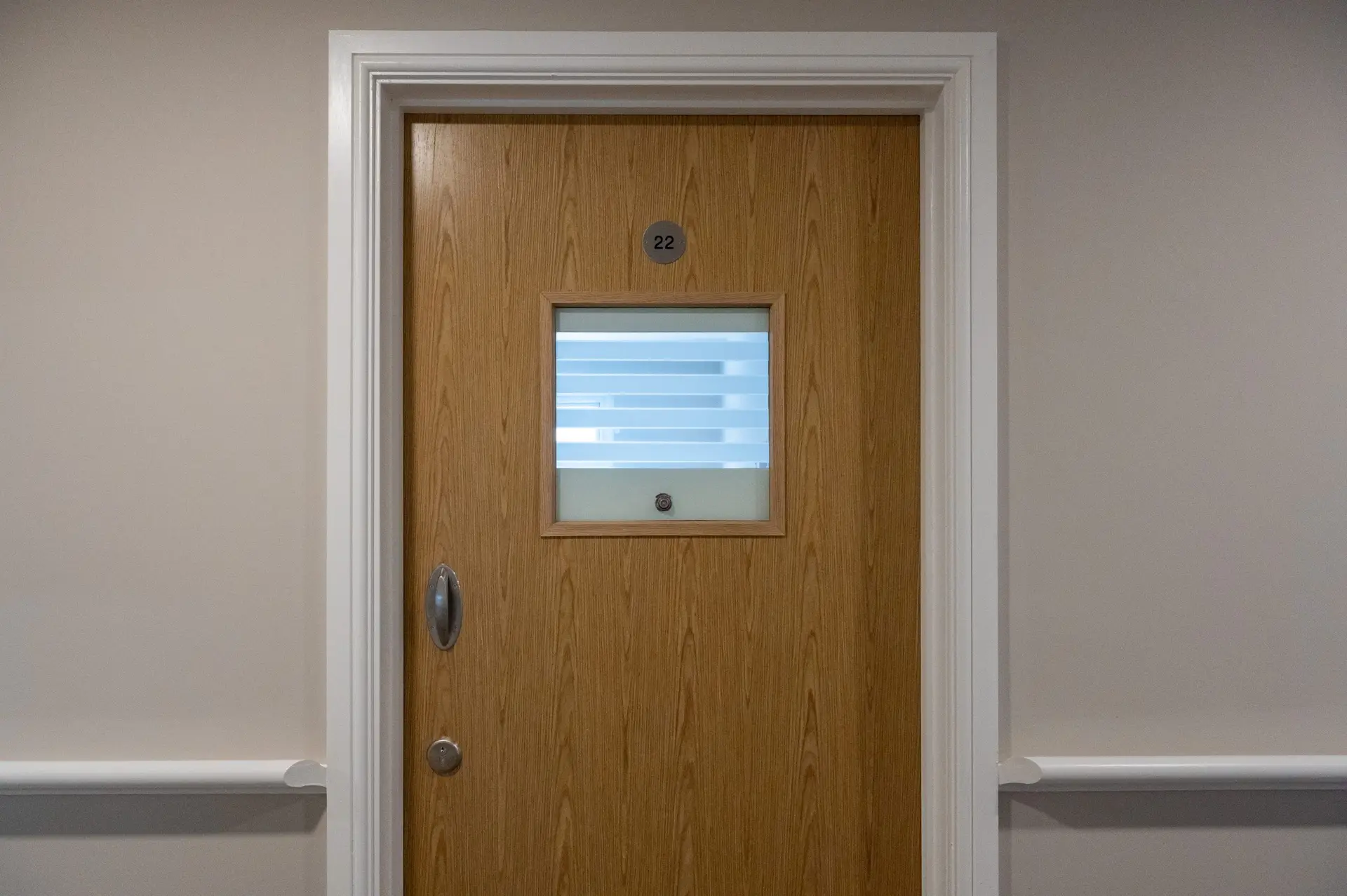
Crucially, the building layout ensures this kitchen remains functional and inviting for everyone, safely balancing care requirements with independent control:
How the kitchen is used, and the level of support or supervision involved, is entirely guided by each person’s individual care plan and risk assessment, so that the activity is matched to where they are in their recovery. The space provides the opportunity; the assessment makes sure it is offered safely.
A resident kitchen is a small space with a large purpose. It is where recovery becomes practical, where independence is rehearsed, and where people prepare — in the most literal sense — for the lives they are working toward.
In a service providing hospital-equivalent care within a homely setting, a space like this is central to the care model: not just keeping people safe, but actively helping them grow, regain confidence, and move forward.
That is the standard we hold across every space and every detail of life at Bancroft — care that protects, and care that empowers.