Person-Centred Care is Not Just a Buzzword for Us

Understanding why the person receiving support is the true authority on their own life

Compassionate, person-centred care discussion at Bancroft Care Centre

Person-centred care begins with a deceptively simple proposition: that the person receiving support is the authority on their own life.

For most of the twentieth century, health and social care operated on a different assumption. The professional held the expertise; the patient presented the problem. Care was organised around diagnosis, task, and timetable — the medication round, the bath list, the ward routine. It was built around the needs of the system rather than the needs of the individual.

The shift began with Tom Kitwood’s foundational work on dementia in the 1990s, reframing care as something that could either sustain a person or erode them. Today, this philosophy sits at the heart of modern standards and regulatory frameworks like CQC's responsive care inspections.


Four Core Principles of Person-Centred Care

  • Dignity and Respect: The person’s values, background, and preferences shape the care, not the other way around.
  • Coordination: Support is joined up seamlessly around the individual rather than fragmented across services.
  • Personalisation: Care plans are built directly with the person, reflecting their life goals rather than organizational convenience.
  • Enablement: The aim is to empower people to live the life they choose, rather than doing things to them.

Two elements make this work: disciplined empathy to see how the world looks from where the person stands, and active attention to their social location — history, culture, and individual identity.


Real Transformation Stories

These illustrative case studies demonstrate what shifts when care culture moves from task-oriented management to person-led support:

Margaret — When the Routine Was the Problem

Described as resistant to morning personal care with frequent refusals. A single question to her daughter revealed Margaret had worked night shifts in a hosiery factory for 31 years and had never woken at 7:00 AM. Moving her support schedule later resolved the resistance entirely.

“Nobody had asked. They’d written down everything she did, and nobody had asked why.”

James — The Goal That Wasn't in the Care Plan

Meeting all clinical milestones and compliant with routines, yet lacked personal direction. When asked what he truly wanted, he shared his goal of being well enough to attend his brother's wedding. That single goal realigned discharge planning, anxiety management, and family engagement.

“It stopped being about getting through the day. There was something at the end of it.”

Aisha — Belonging as Clinical Business

Disengaged from three prior services due to non-attendance. At the fourth, staff asked what would make the difference: knowing she could speak openly about her partner without it becoming a clinical discussion topic.

“I wasn’t difficult to reach. I was waiting to see whether it was safe to be there.”

Building a Testimonial Bank: Good Practice Standards

Requirement What Good Practice Looks Like
Consent Written, specific to intended use, and revocable. General consent forms do not cover marketing.
Capacity Assessed and recorded. Do not proceed on a relative’s authority alone where capacity is absent.
Anonymity Offered by default (first name only or clearly identified pseudonym).
Right of Review The person reviews final wording prior to publishing and retains withdrawal rights.
Timing & Storage Never requested during acute crisis or discharge; consent records kept fully auditable.

The Practical Benefits

  • For the Individual: Anxiety falls, dignity is restored, and distress behaviours reduce when the underlying communication is understood.
  • For Clinical Outcomes: Drives down inappropriate antipsychotic prescribing in dementia, lowers incident rates, prevents placement breakdown, and minimizes formal complaints.
  • For the Service: Strengthens regulatory inspection evidence and dramatically improves care team retention and morale.

How to Implement Person-Centred Care in Practice

  • Ask What Matters: Place what matters to the person at the very top of handover notes, not in an appendix.
  • Knowledge Over Checklists: Ensure night teams know the specific individual nuances that provide comfort at 3:00 AM.
  • Train for Curiosity: Provide reflective supervision and space for staff to understand the 'why' behind behaviors.
  • Living Conversations: Update care plans as the individual evolves, rather than waiting for annual calendar dates.
  • Audit What Counts: Audit whether a person's personal goals appear actively in everyday shift notes.

Closing Thought

Person-centred care is not a set of techniques laid over existing practice. It is a fundamental decision about who the service is actually for.

Placement Conversations & Referrals

Bancroft Care Centre · 77 Bancroft Lane, Mansfield

megan.tranter@ashahealthcare.co.uk

This is a place built around a simple conviction: that no one is defined by their diagnosis, their history, or the worst period of their life.

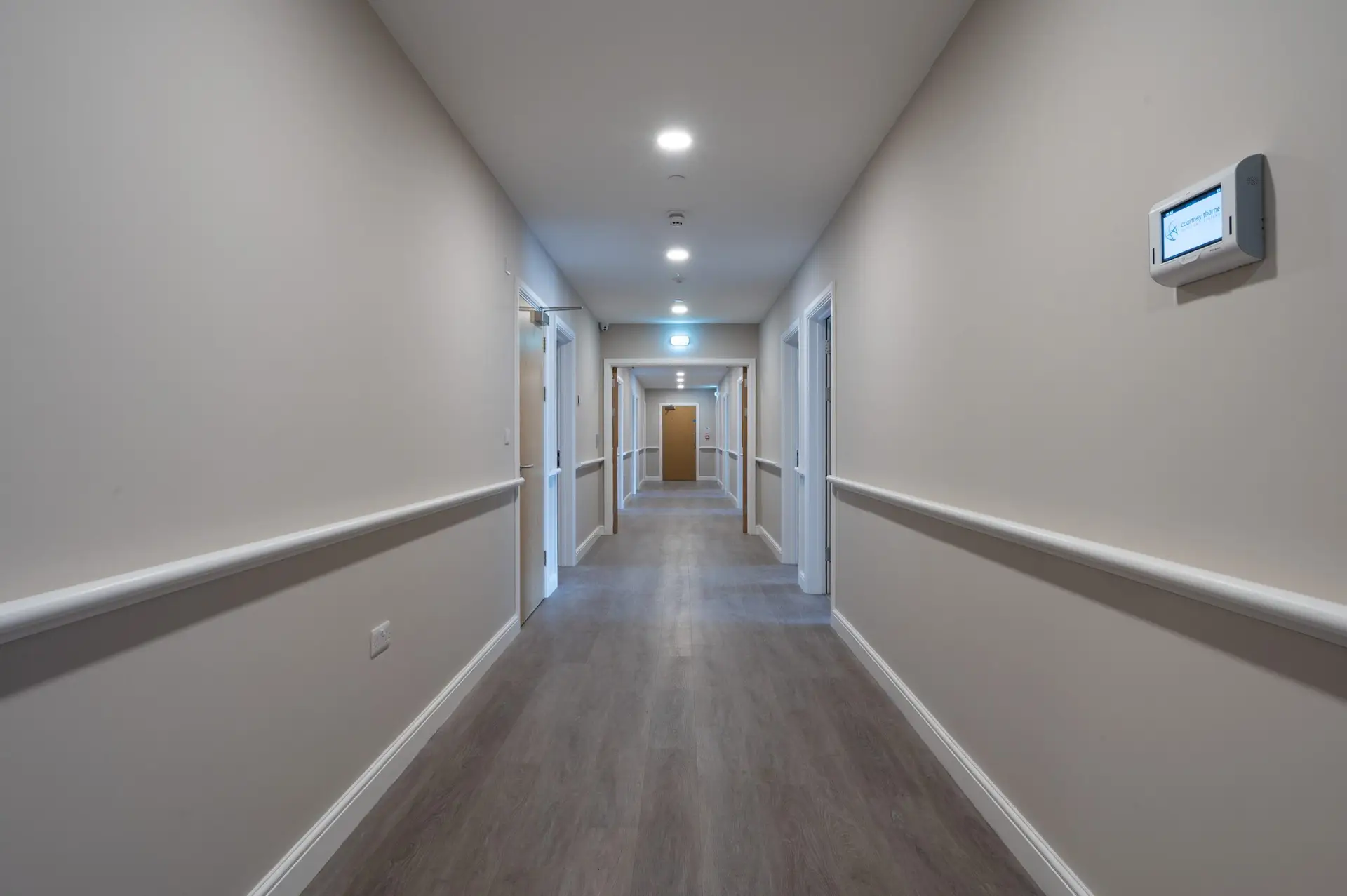
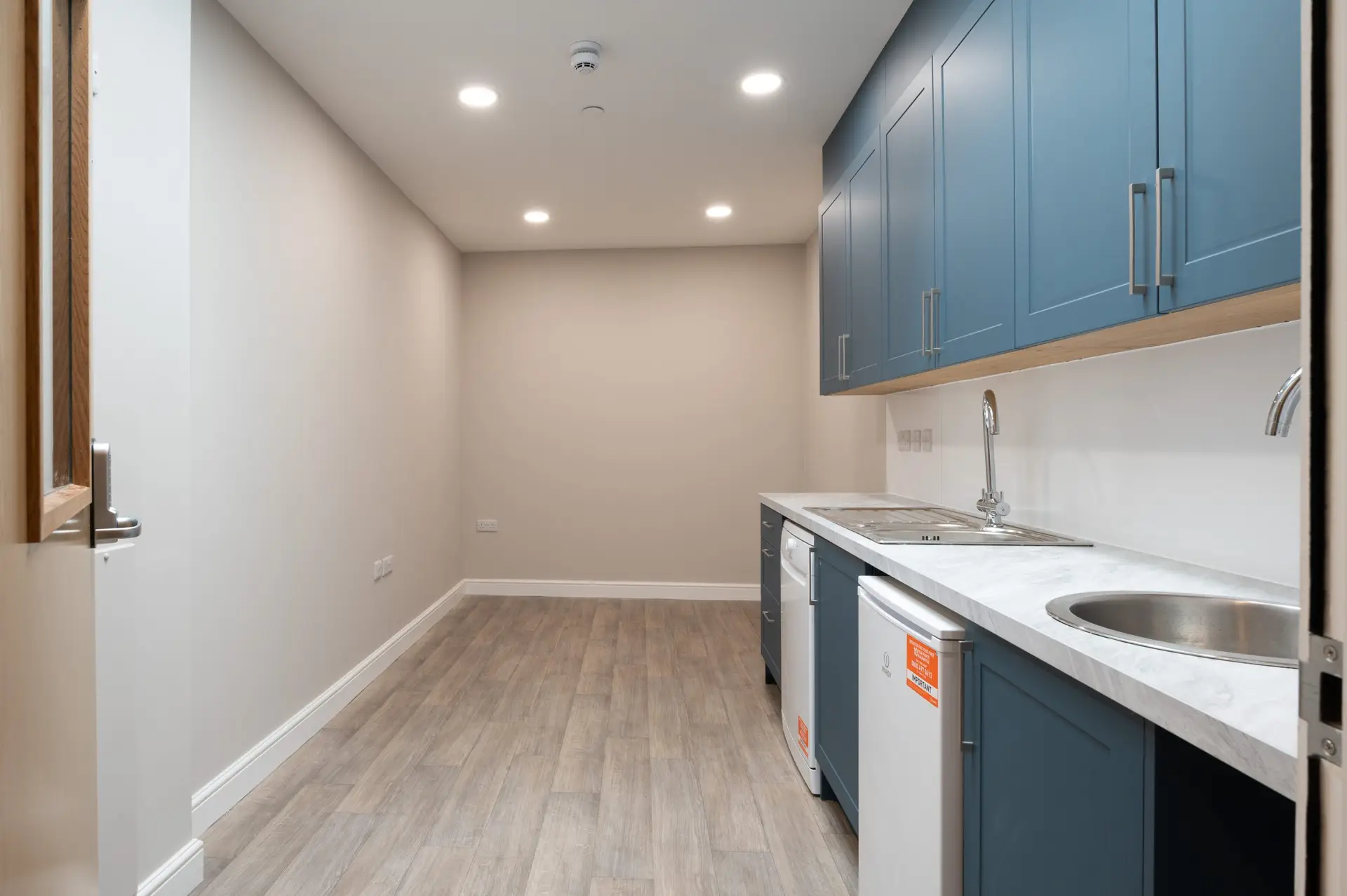
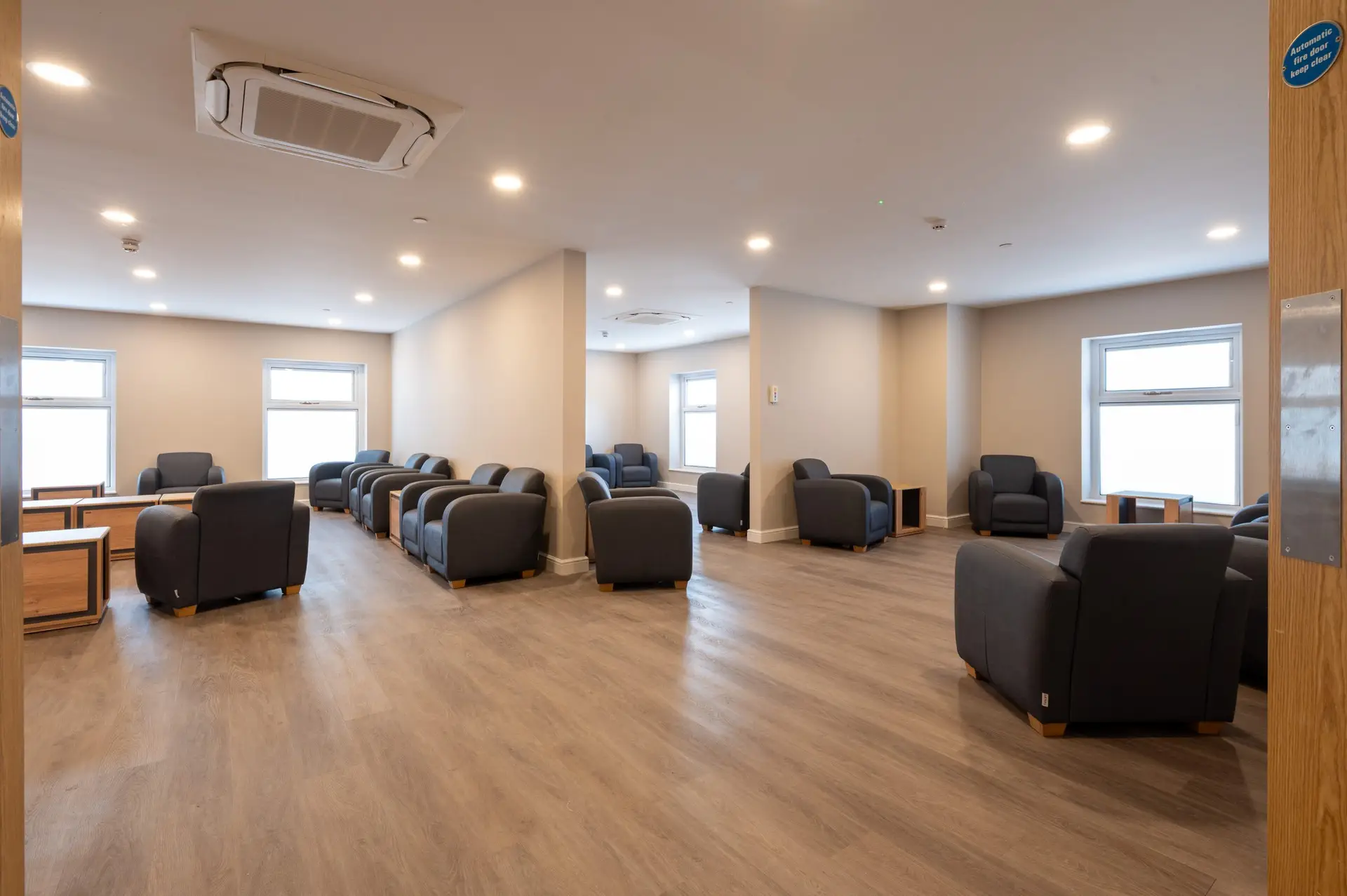
Bancroft Care Centre is our flagship home, custom built with one goal: to provide exceptional specialist mental health care.

Led by our nurses and Occupational Therapist, we put each person at the centre of every decision—shaped around their needs, outcomes and unique identity.

People arrive at a difficult point. What happens next is not containment, but a multidisciplinary team who see the whole person: their strengths, culture, goals and the life they want to return to.

Contact megan.tranter@ashahealthcare.co.uk to book a viewing or discuss referral pathways.

Visit ASHA Healthcare

Asha Healthcare

OPEN DAY

You are warmly invited to visit our home!

Bancroft Care Centre

Specialist nurse-led mental health service for adults 18+

Designed for safety and dignity

Wednesday

22 JULY 2026

Drop in between 11am – 3pm

Guided tours through our home are available

Lunch and refreshments served on site

A warm welcome awaits

Meet our nurses and occupational therapist · See our rooms and spaces
Learn about our specialist mental health care · Ask us anything