What a Specialist Care Centre Can Actually Achieve

The difference between somewhere safe to be and somewhere something changes
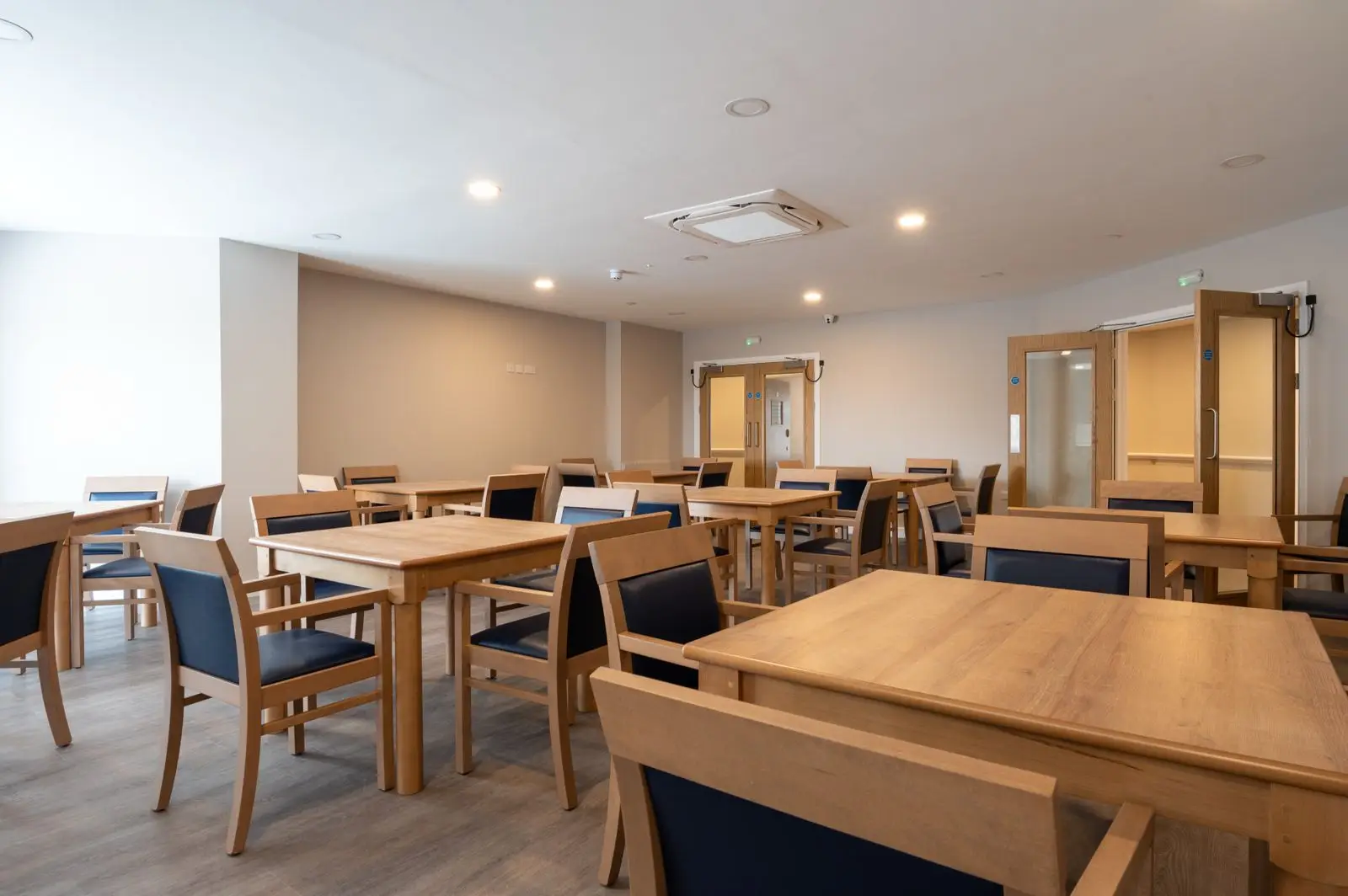
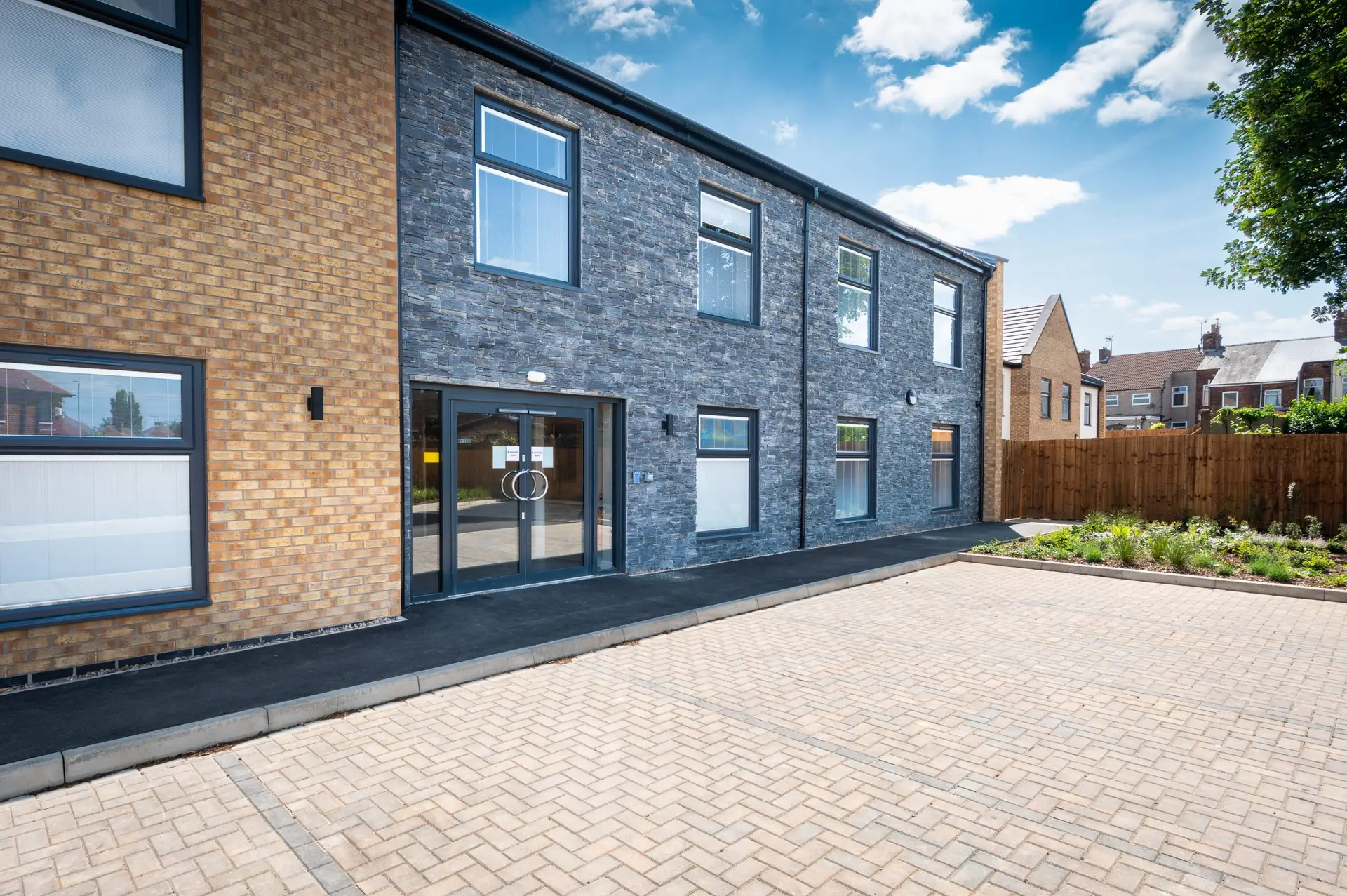
Specialist mental health care support at Bancroft Care Centre

When a placement breaks down, the search that follows is usually framed as a search for a bed. It is rarely a bed that was missing. What was missing was the capacity to work with a level of complexity that had outgrown the setting — and that capacity is what a specialist service exists to provide.

Every referral to a specialist service arrives with a history attached. Often it is a long one: several placements, several hospital admissions, several teams who tried and found that what they had was not enough. By the time the referral is written, the person at the centre of it has usually been described in terms of what has gone wrong — incidents, escalations, breakdowns, risks.

It is worth asking a harder question than “can you take this person?” The better question is: what would actually be different?


It is Not the Building, and it is Not the Staffing Numbers

Specialist services are frequently described by their inputs — the ratio, the qualifications, the environment, the multidisciplinary input. Those things matter, but none of them is the achievement. They are the conditions that make the achievement possible.

What a specialist service is actually for is holding complexity long enough to understand it. General services are not failing when they cannot do this; they are configured for a different task, with different resources and different pressures. A specialist setting is built around the assumption that the presentation will be difficult, that progress will not be linear, and that the person will still be there when it gets hard.

The measure of a specialist service is not whether it can manage someone. It is whether, six months in, the team understands why the difficulty happens.


Three Core Achievements of Specialist Care

  • Achievement One: Stability That Holds Under Pressure
    Anyone can look settled in a low-demand environment. The test is what happens when demand returns — a difficult phone call from home, a change of key worker, an anniversary, a setback in physical health, or a decision that does not go the person’s way. Stability that holds is built rather than imposed through consistent staffing, predictable daily rhythms, medication reviews, physical healthcare, and restored sleep patterns.
  • Achievement Two: A Person Who is Genuinely Known
    A referral document describes behaviour, but rarely explains it. One of the most valuable outputs of a specialist service is a formulation — a working account of why this person responds to specific situations in specific ways. That understanding guides staff during overnight crises and becomes the single most portable tool that travels with the individual to reduce future placement breakdown.
  • Achievement Three: A Direction of Travel
    Specialist care must produce forward movement. That can mean shorter periods of crisis, increased self-management, rebuilt family connections, or taking on external activities. What it must never mean is stasis dressed up as stability; a person who is safe, settled, and going nowhere without a plan for what comes next is not a success.

What a Specialist Service Cannot Do

Honesty about limits is part of the offer. A specialist service cannot undo a history of trauma, cure a severe and enduring mental illness, or guarantee that risk disappears. It cannot compensate indefinitely for the absence of a community team, appropriate housing, or external administrative delays.

It also cannot succeed alone. The outcomes that matter to commissioners — reduced admissions, sustained community placement, fewer emergency responses — require the specialist provider, referring team, responsible clinician, and receiving service to work from a single shared formulation.


Questions Worth Asking a Specialist Provider

A provider that answers these clearly is describing a service; a provider that answers only with facilities and staffing is describing a building:

  • How will you build a formulation, and who will contribute to it?
  • What does progress look like for someone with this presentation, and over what timescale?
  • How do you respond when things go wrong, and at what point would you consider the placement unsuitable?
  • What will you have handed over when this person moves on?
  • How do you avoid a placement becoming permanent by default?

About Bancroft Care Centre

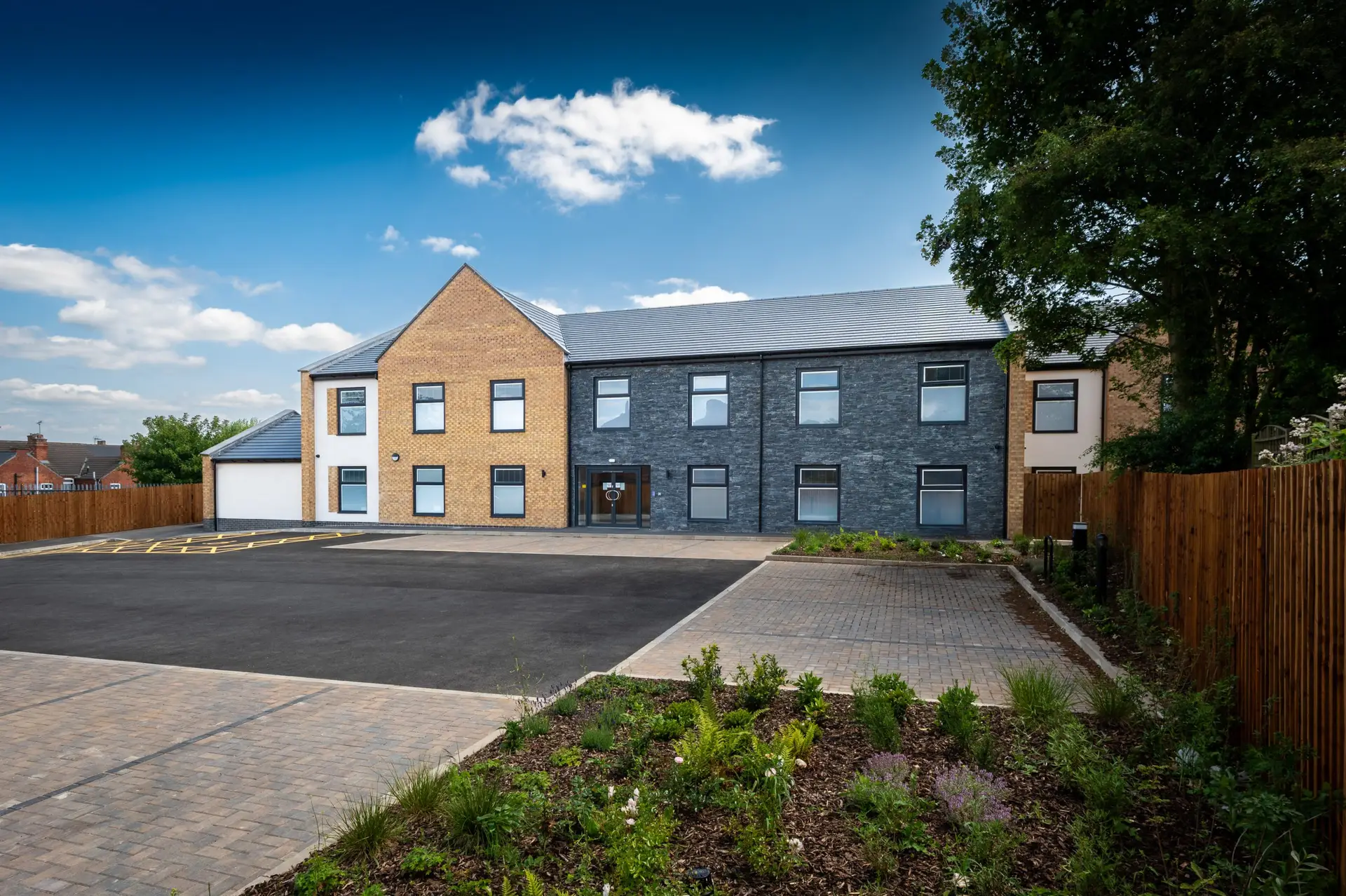
Bancroft Care Centre is ASHA Healthcare’s specialist service in Mansfield, Nottinghamshire, providing residential, nurse-led and occupational health-led care for adults with complex mental health needs. The service supports people under Section 117 aftercare and works with psychosis, schizophrenia, bipolar affective disorder, eating disorders, personality disorder presentations, dual diagnosis, forensic histories, behaviours that challenge, suicidal ideation, and placements that have broken down elsewhere.

To discuss a referral or arrange a visit

Contact the Bancroft Care Centre team directly:
megan.tranter@ashahealthcare.co.uk 0115 972 9465

This is a place built around a simple conviction: that no one is defined by their diagnosis, their history, or the worst period of their life.

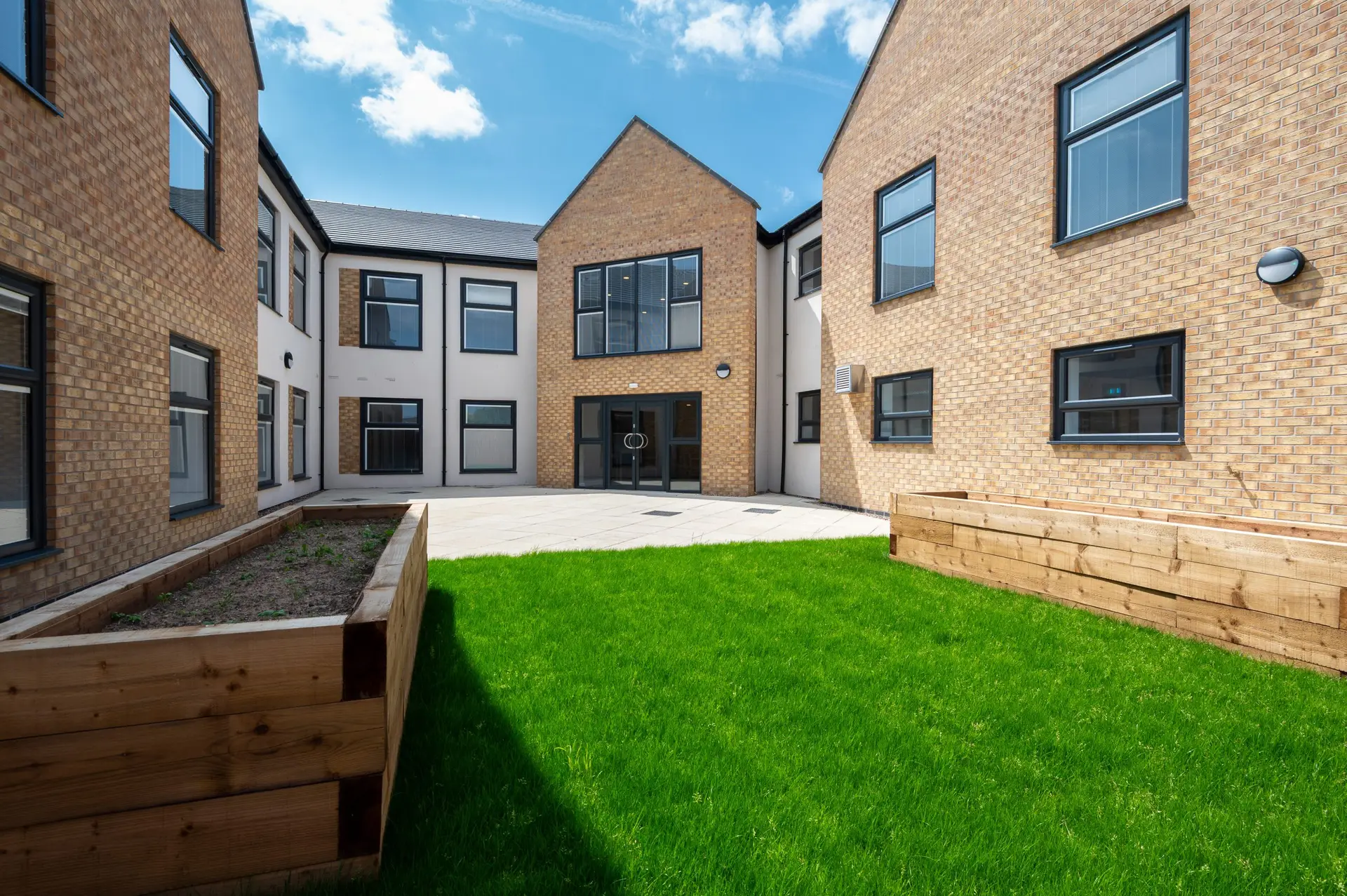
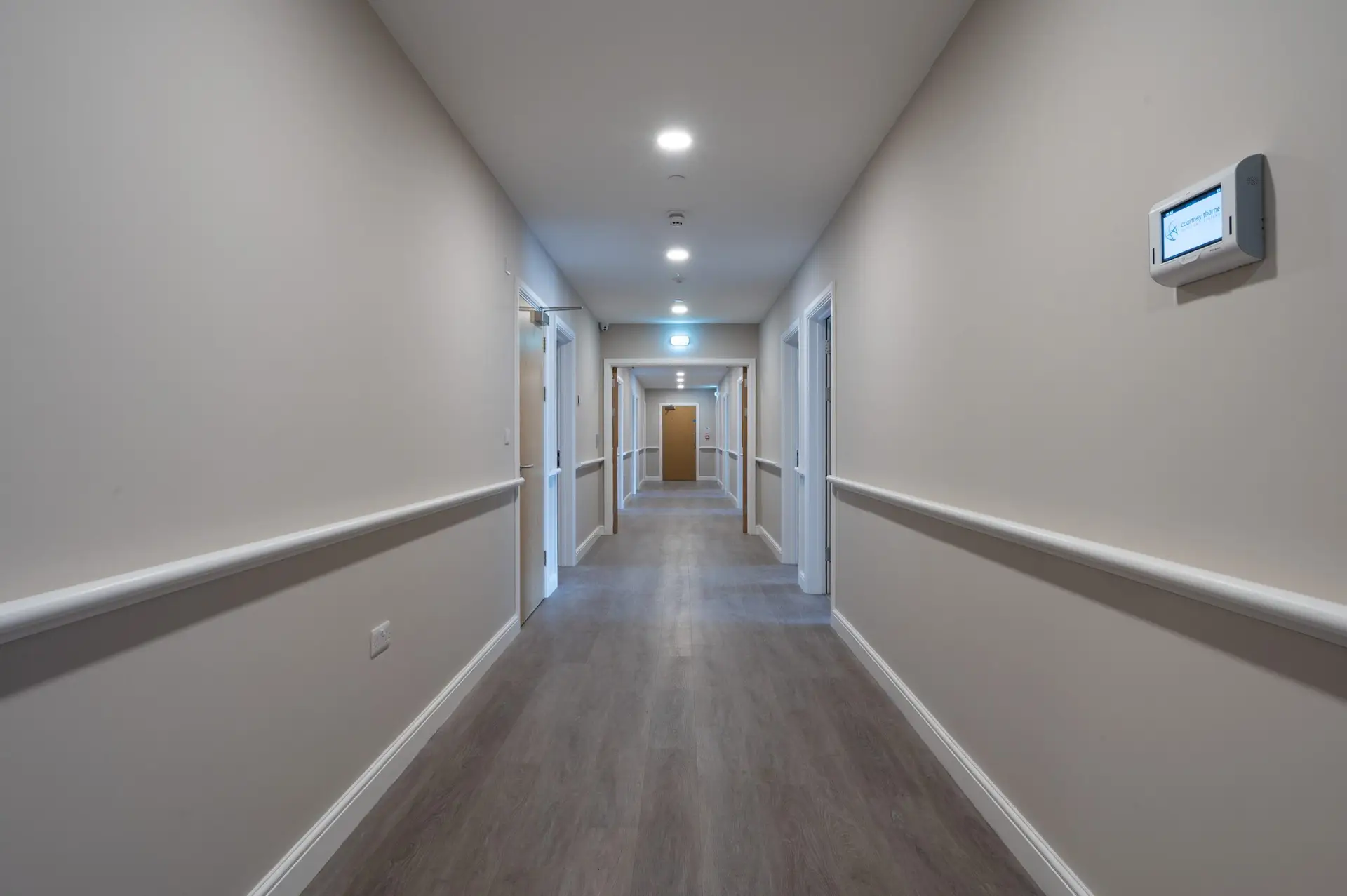
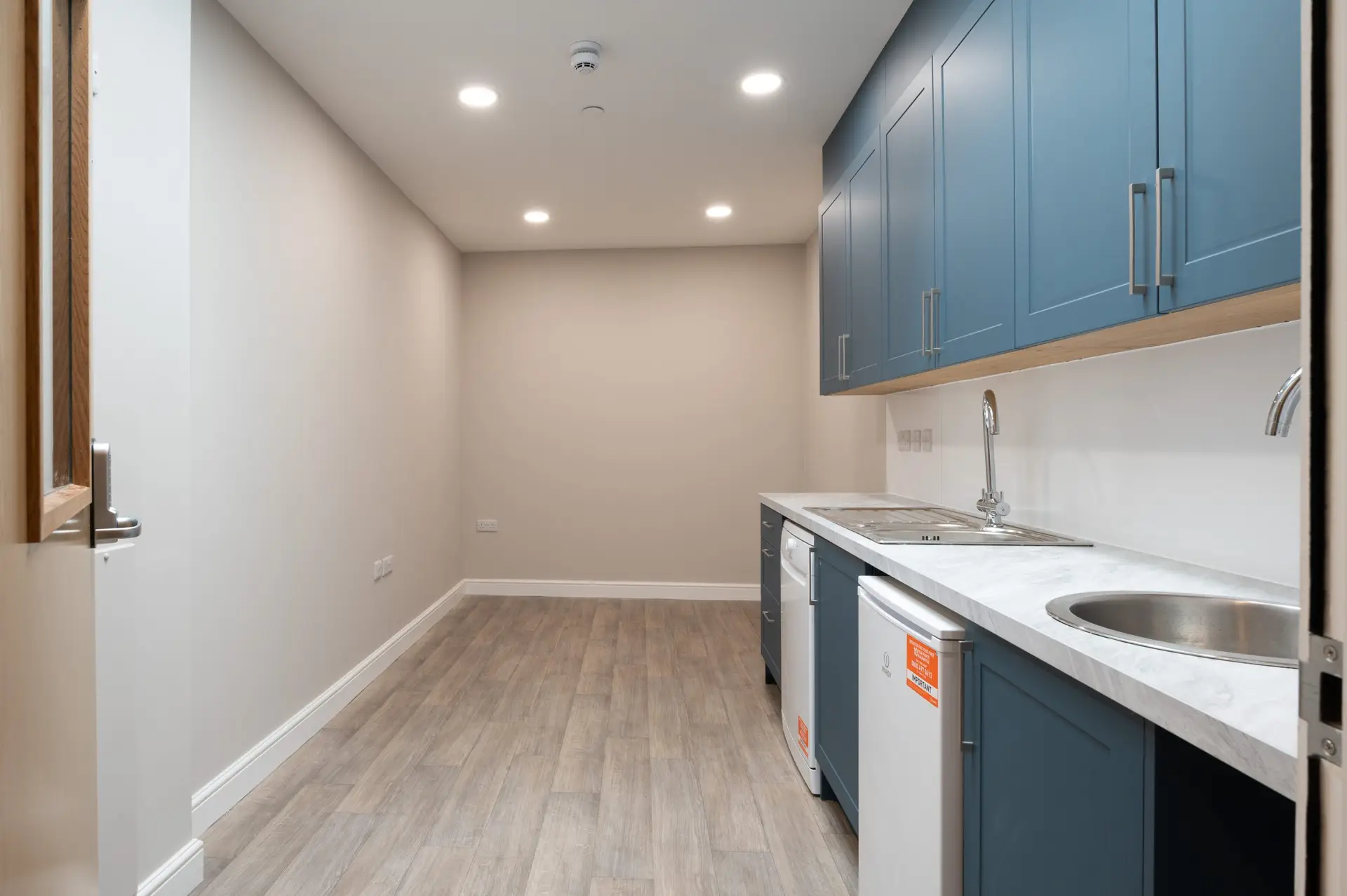
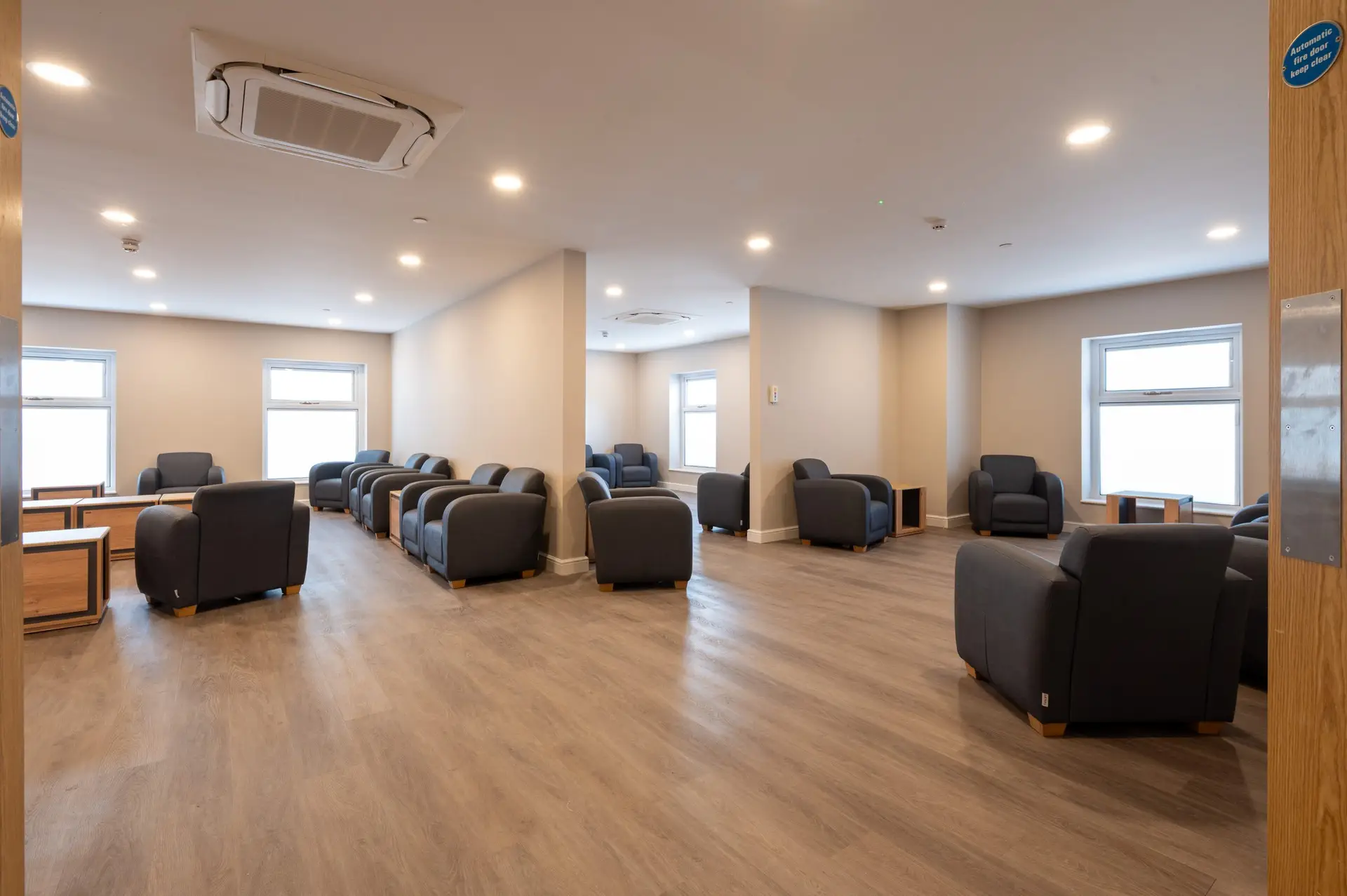
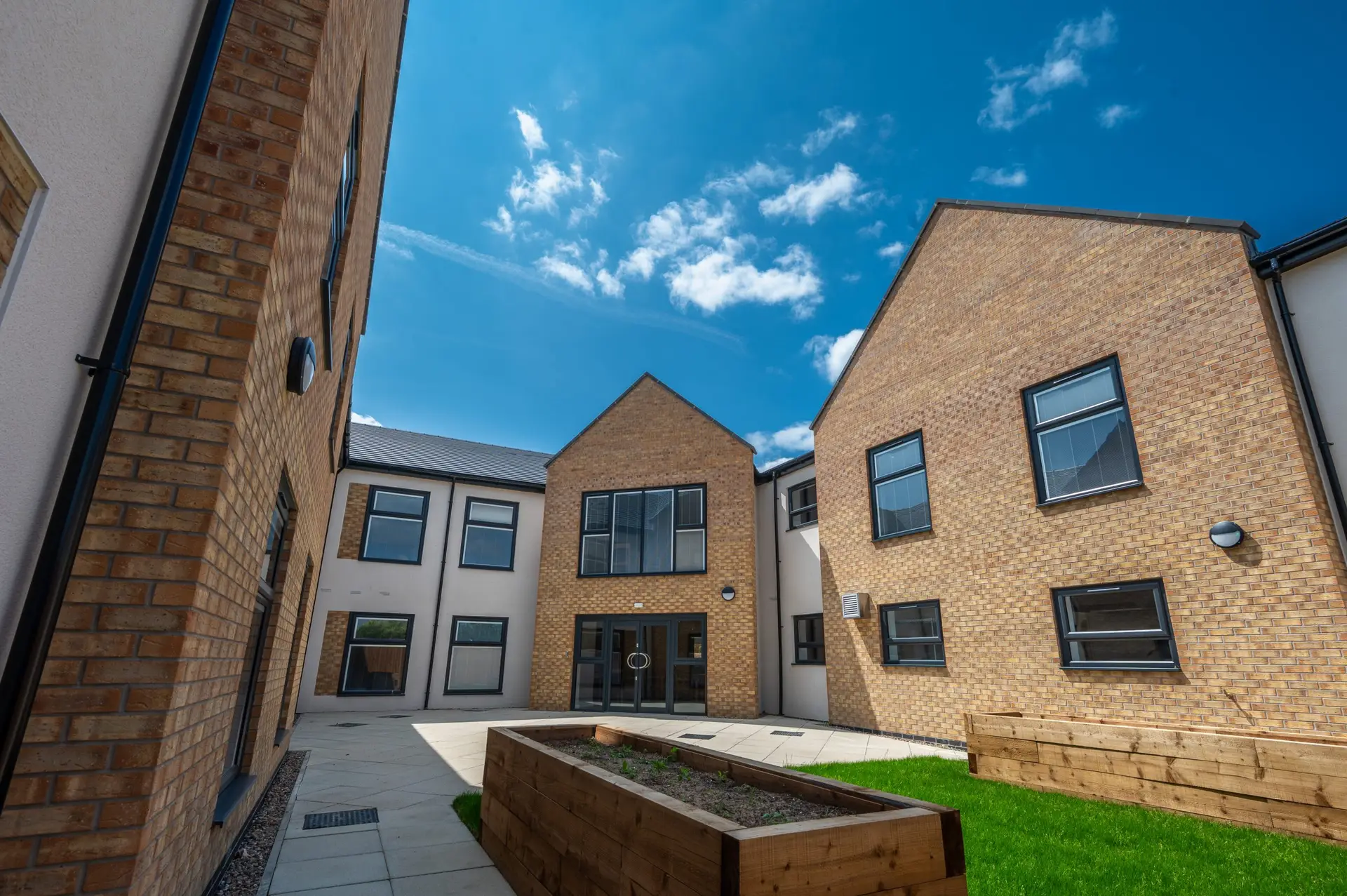
Bancroft Care Centre is our flagship home, custom built with one goal: to provide exceptional specialist mental health care.

Led by our nurses and Occupational Therapist, we put each person at the centre of every decision—shaped around their needs, outcomes and unique identity.

People arrive at a difficult point. What happens next is not containment, but a multidisciplinary team who see the whole person: their strengths, culture, goals and the life they want to return to.

Contact megan.tranter@ashahealthcare.co.uk to book a viewing or discuss referral pathways.

Visit ASHA Healthcare

Asha Healthcare

OPEN DAY

You are warmly invited to visit our home!

Bancroft Care Centre

Specialist nurse-led mental health service for adults 18+

Designed for safety and dignity

Wednesday

22 JULY 2026

Drop in between 11am – 3pm

Guided tours through our home are available

Lunch and refreshments served on site

A warm welcome awaits

Meet our nurses and occupational therapist · See our rooms and spaces
Learn about our specialist mental health care · Ask us anything