Author: Gaurav Singh
-
For commissioners: a predictable fee, and outcomes you can see If you work in commissioning or brokerage for adults with complex mental health needs, you will know how much of your week goes on additional hours: the requests, the evidence, the panels, the time-limited awards, the reviews, the repeat requests. It costs your team time.…
-
What four hours of 1-2-1 support looks like in a day When people hear “one-to-one support” in a mental health setting, many picture a member of staff sitting outside a bedroom door. That is observation, and there are times it is needed. It is not what we mean. At Bancroft Care Centre every person has…
-
One fee, four hours: why we built 1-2-1 support into the price In specialist mental health care, one-to-one hours are usually the thing everyone argues about. The assessment says a person needs them. The funding panel asks for evidence. The provider submits a request, the panel meets, a time-limited award is made, and a few…
-
designing care environments
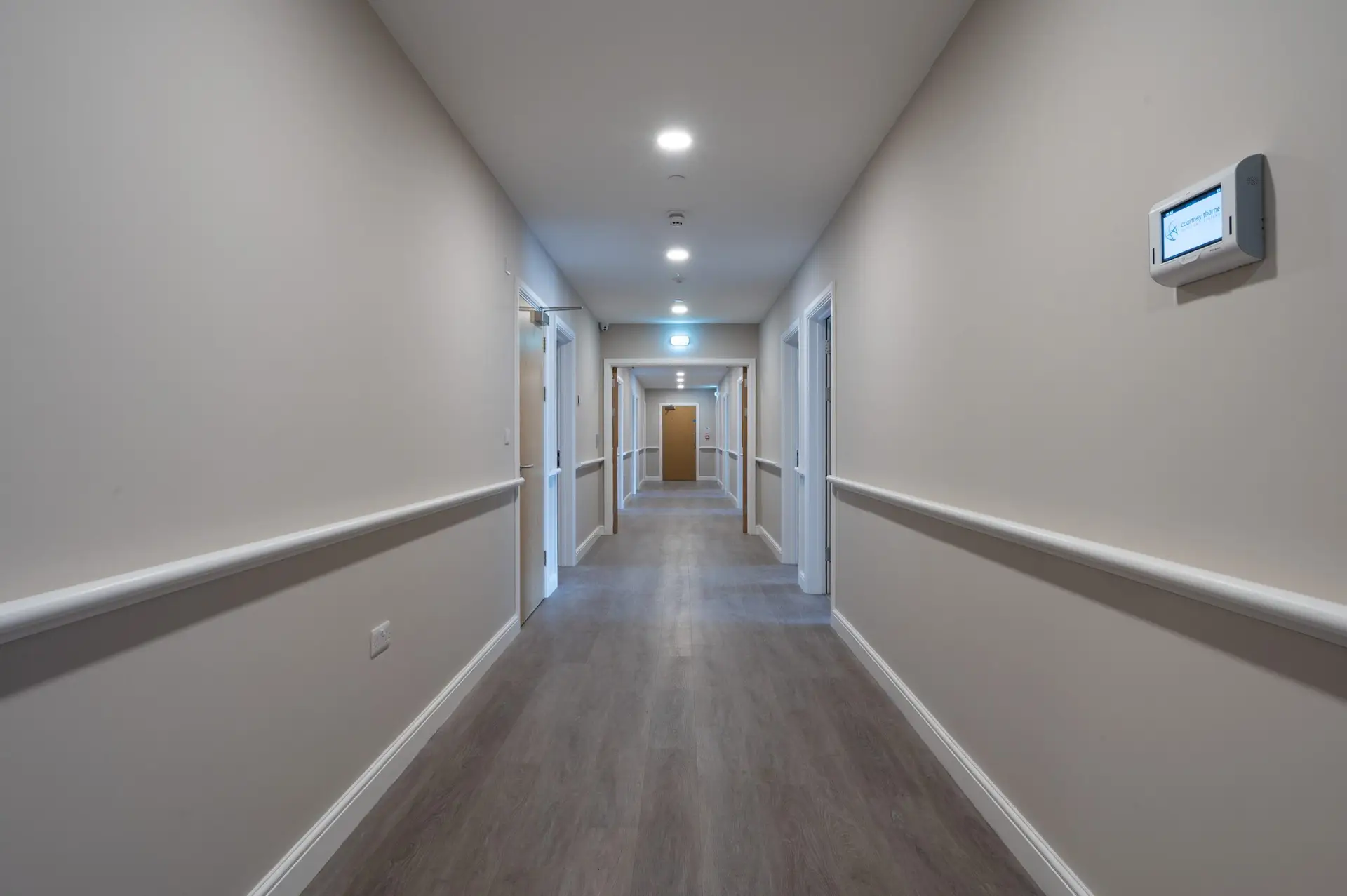
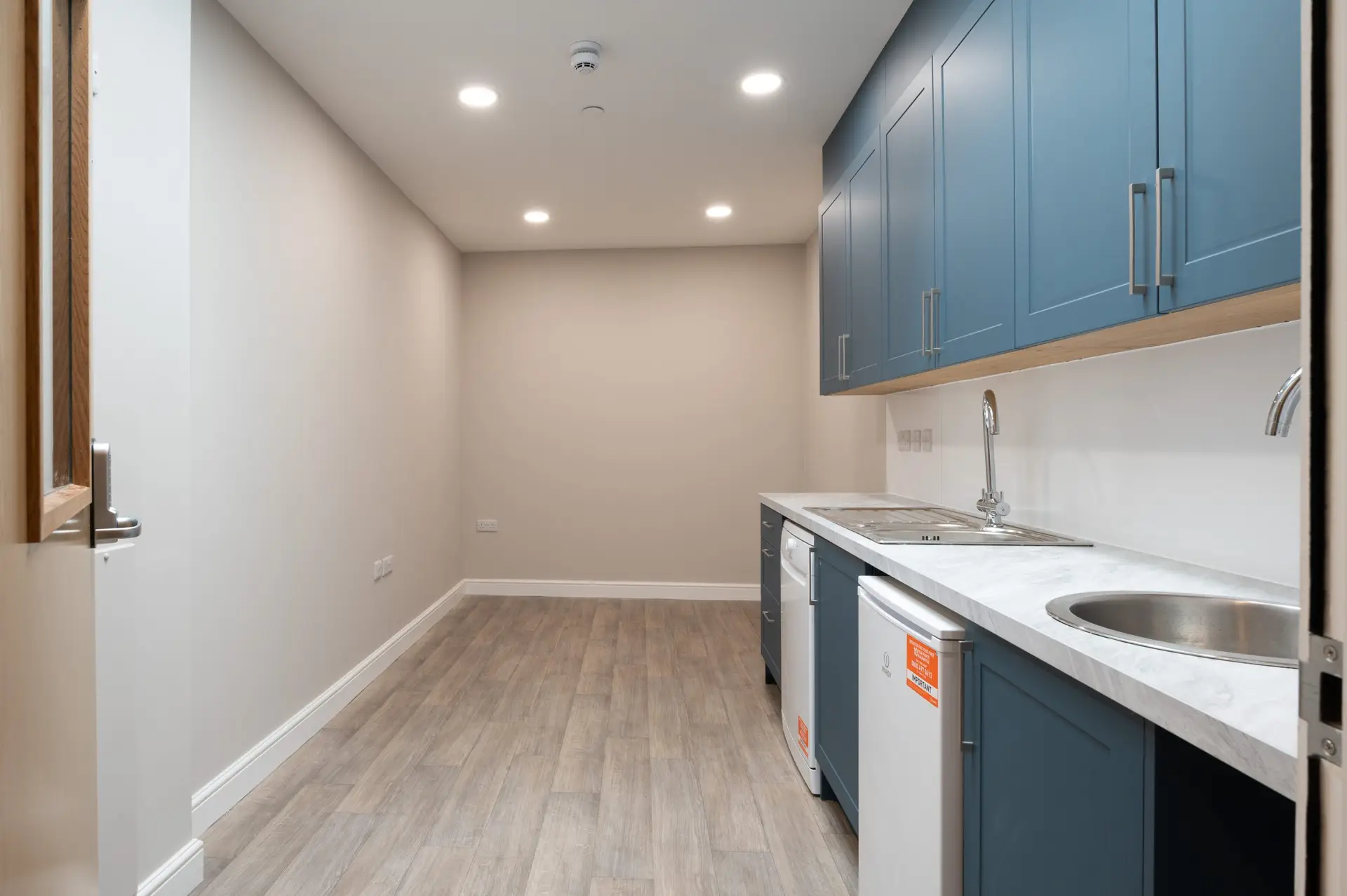
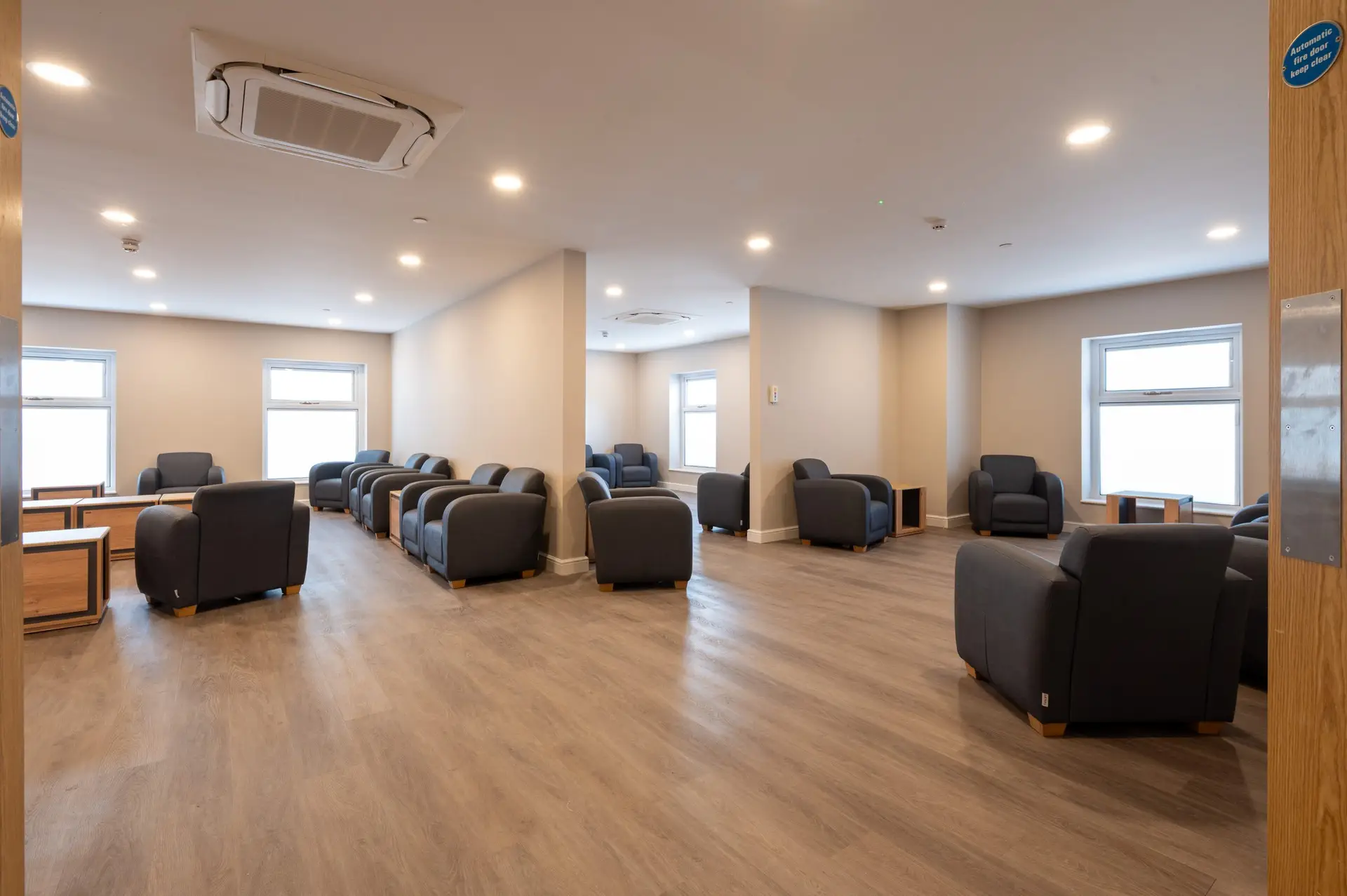
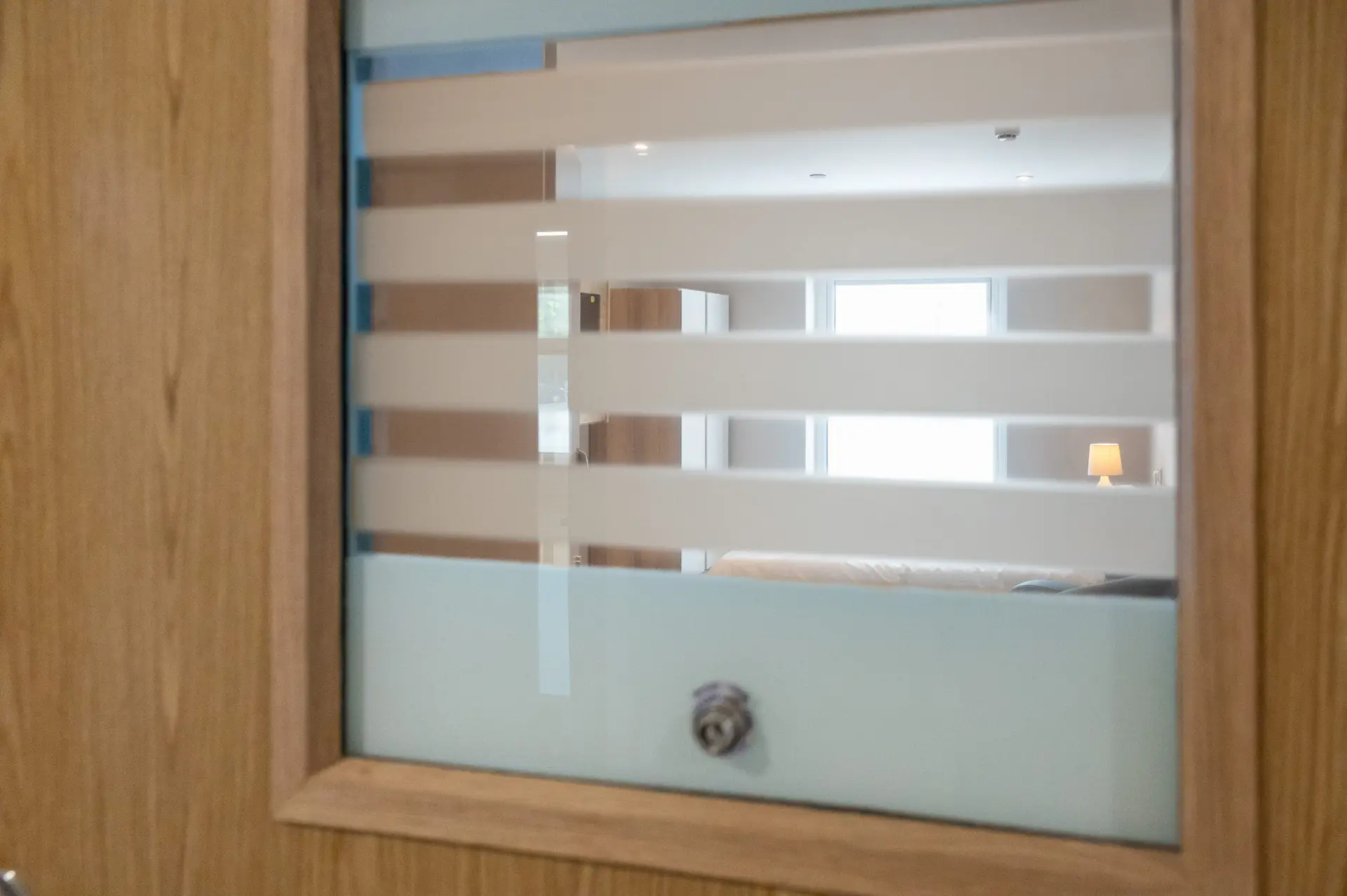
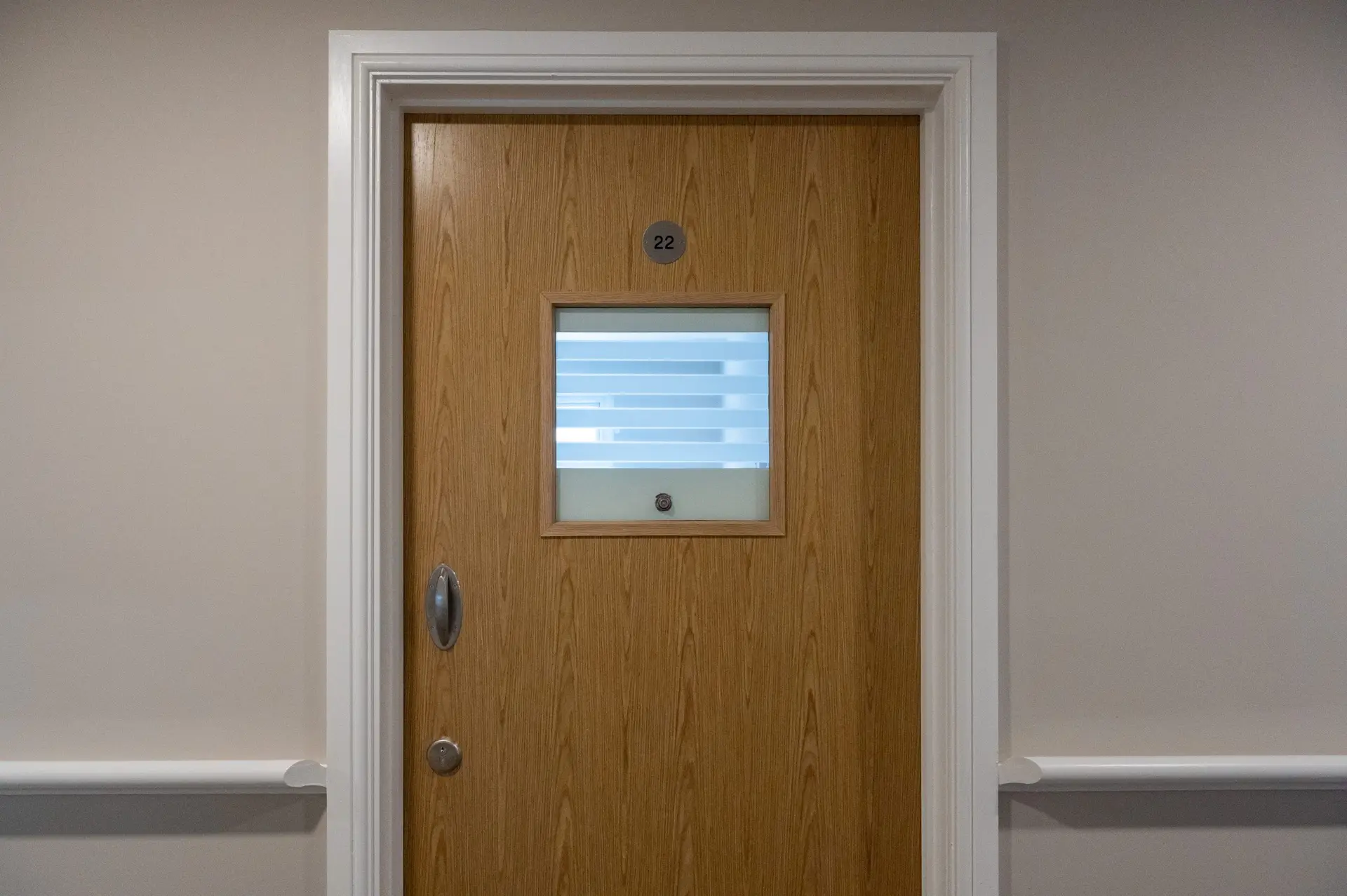
Designing Care Environments for Recovery What a building communicates before anyone has said a word People read buildings instantly. Long before a person meets the team, the environment has already told them whether they are trusted, whether they are expected to stay, and whether this is a place where something might change. Purpose-built design is…
-
quality of life mental health
Independence and Quality of Life: What Actually Makes a Day Worth Having Beyond symptom control, towards a life with occupation, choice and meaning in it It is possible for someone to be safe, medically stable, well cared for and profoundly bored. Symptom control is necessary and it is not sufficient. Quality of life is built…
-
reducing dependency in care
Reducing Dependency: The Difference Between Doing For and Doing With How well-intentioned care can quietly remove the abilities it exists to support Dependency is rarely created deliberately. It accumulates through hundreds of small moments in which it was quicker, kinder or safer for a member of staff to do something rather than to wait while…
-
placement breakdown mental health
Stabilising a Mental Health Crisis After a Placement Breaks Down What stabilisation actually involves, and why it is not the same as containment Placement breakdown is rarely a single event. It is usually the visible end of a slow accumulation — of unmet need, mismatched expectations, staff changes and small escalations that were managed rather…
-
building resilience mental health
Building Resilience: Why Stability Is Not the Same as Recovery What it takes to withstand a difficult day, and how it is built deliberately A settled placement can look like success and still be fragile. Resilience is the difference between someone who is calm because nothing is being asked of them, and someone who can…
-
specialist care centre achievements
What a Specialist Care Centre Can Actually Achieve The difference between somewhere safe to be and somewhere something changes When a placement breaks down, the search that follows is usually framed as a search for a bed. It is rarely a bed that was missing. What was missing was the capacity to work with a…
-
person centred care complex care
Person-Centred Care is Not Just a Buzzword for Us Understanding why the person receiving support is the true authority on their own life Person-centred care begins with a deceptively simple proposition: that the person receiving support is the authority on their own life. For most of the twentieth century, health and social care operated on…